 VALPUIG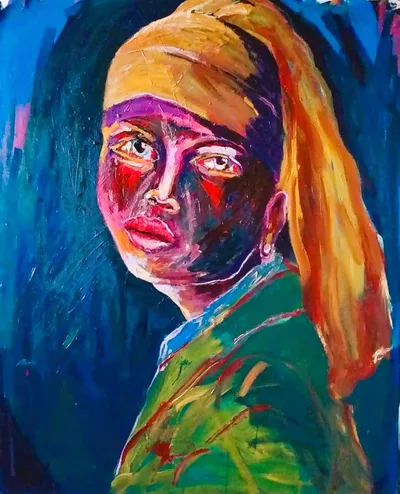
-400x277.webp)
-enhanced-400x500.webp)
-1-400x571.webp)
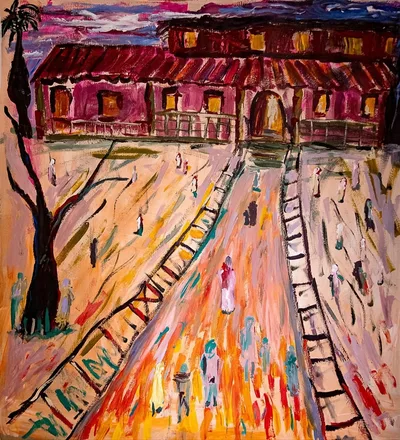
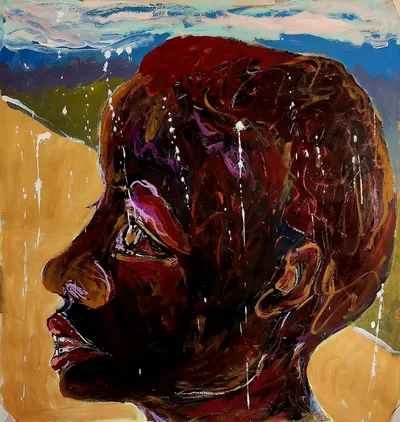
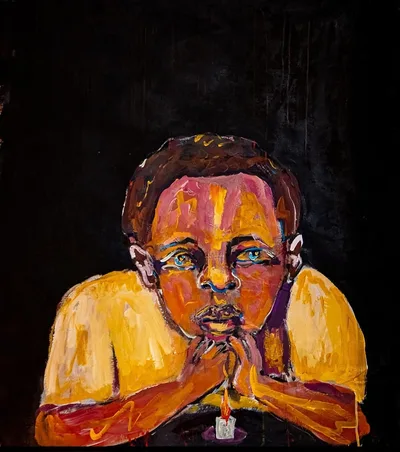
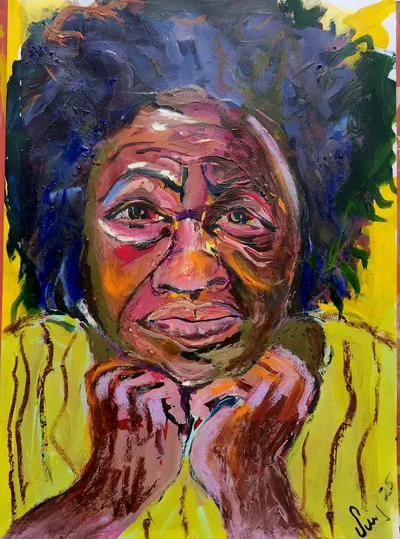
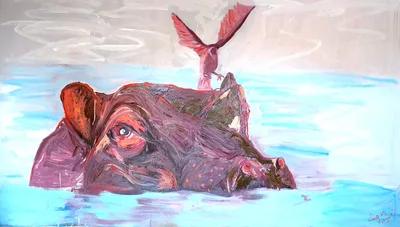
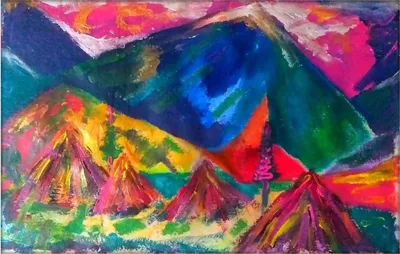
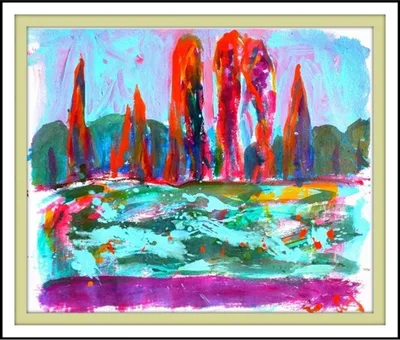
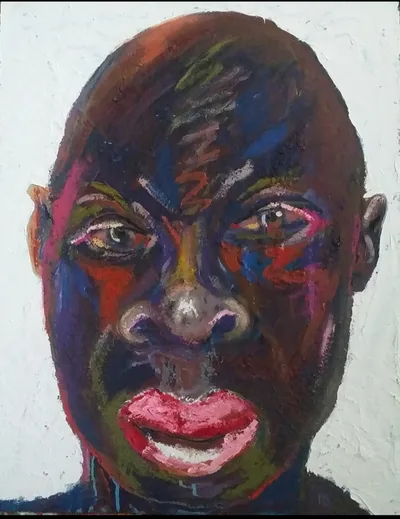
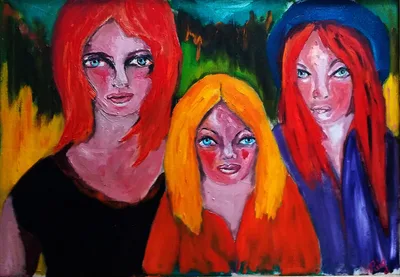
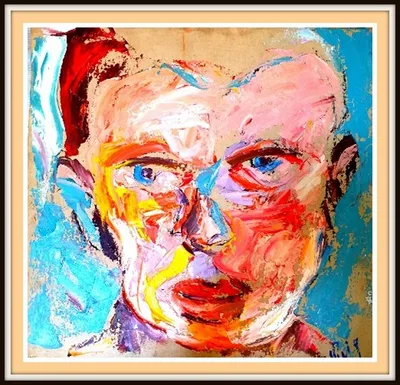
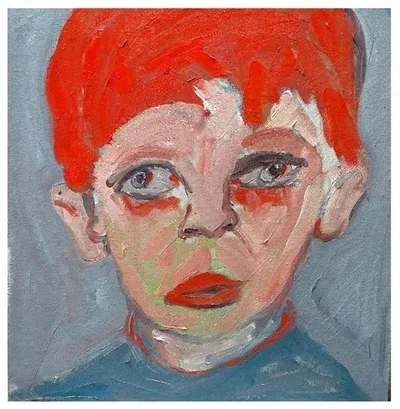
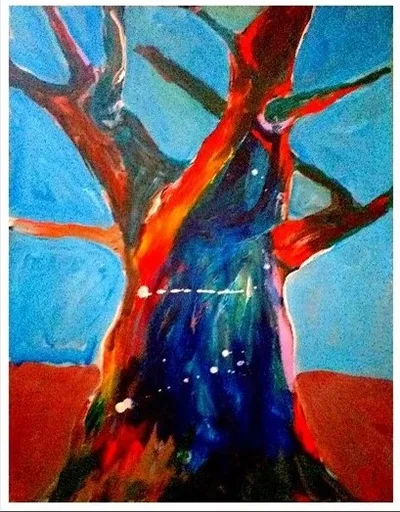
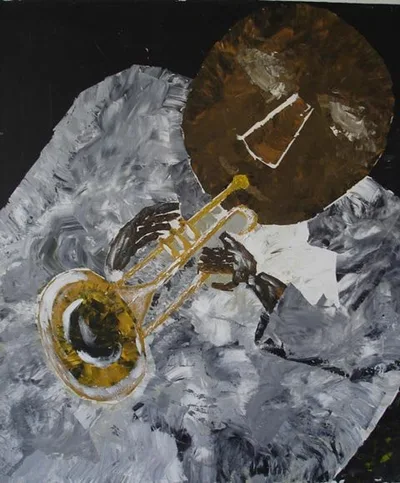
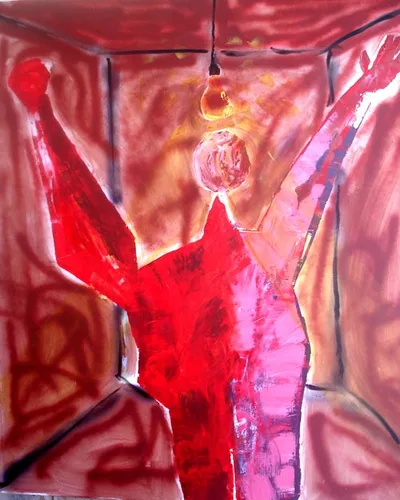
Cuba · 1966 · Self-taught
VíctorAlexisPuig
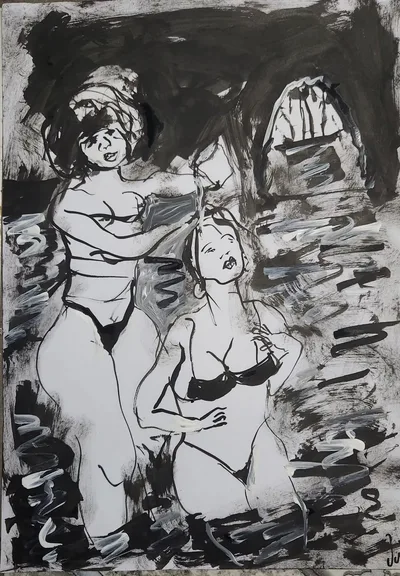
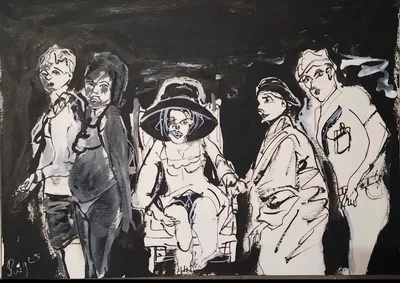
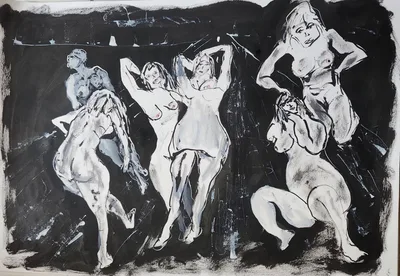
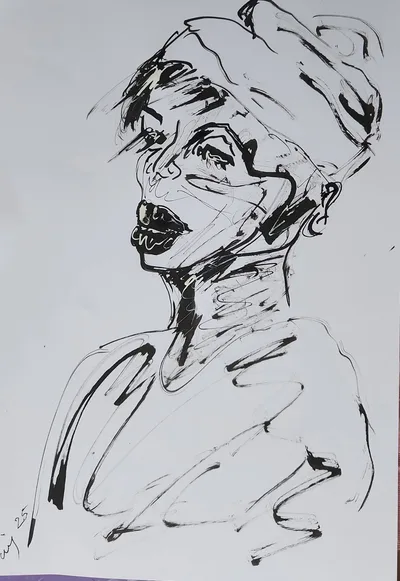
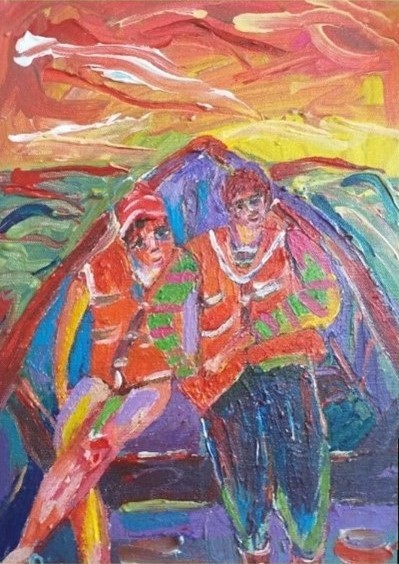
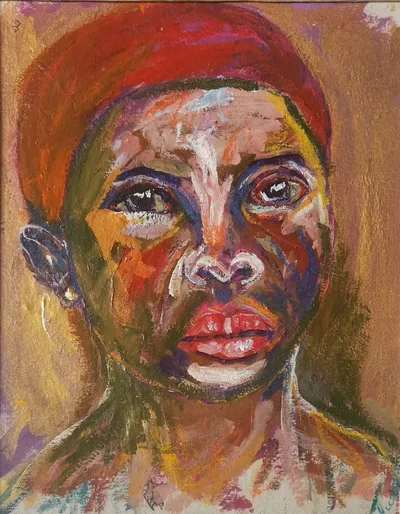
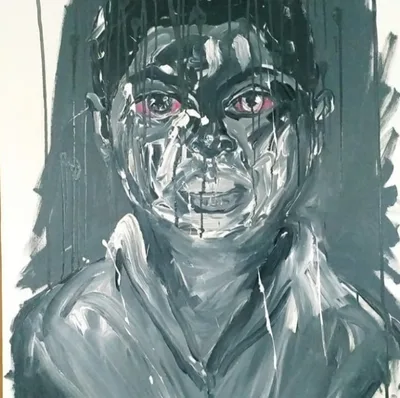
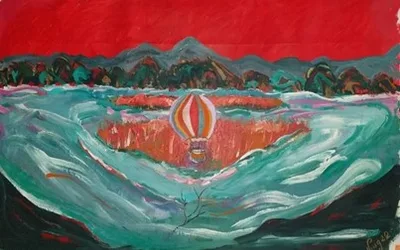
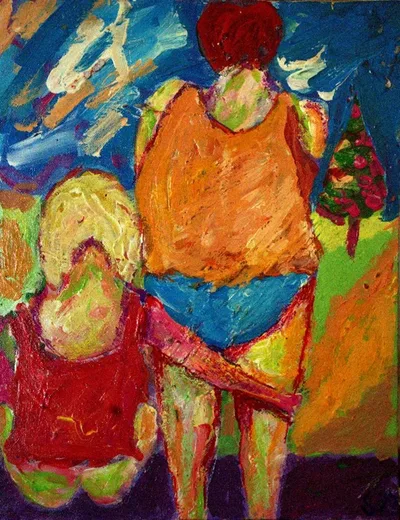
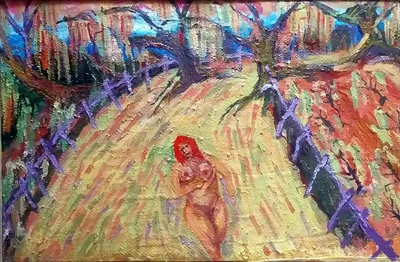
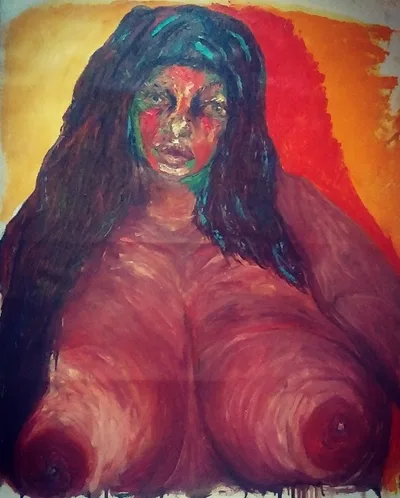
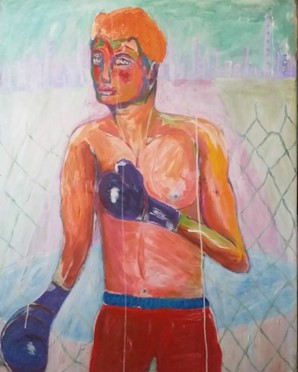
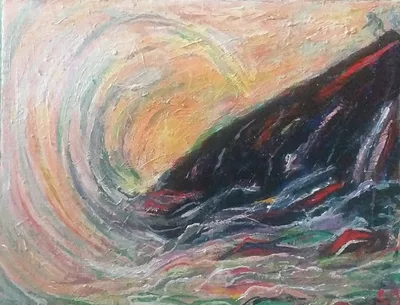
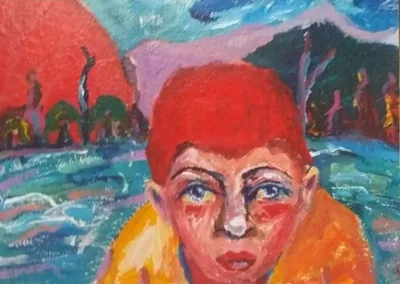
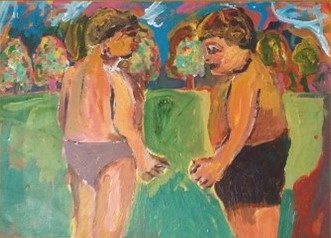
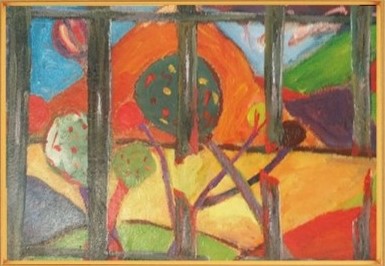
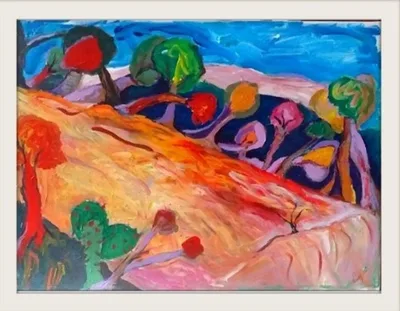
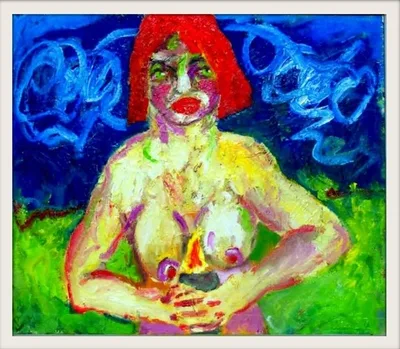
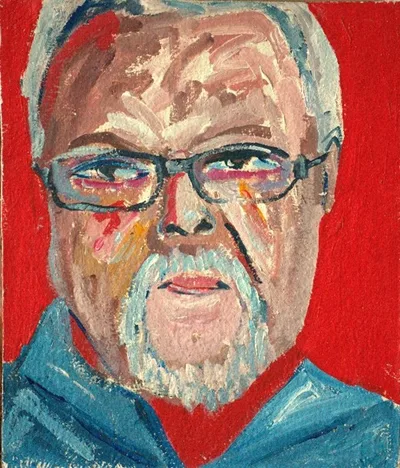
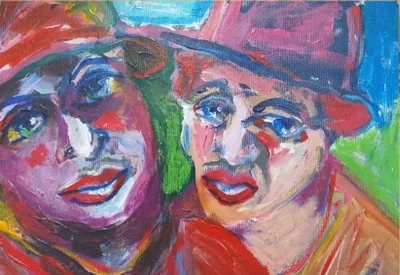
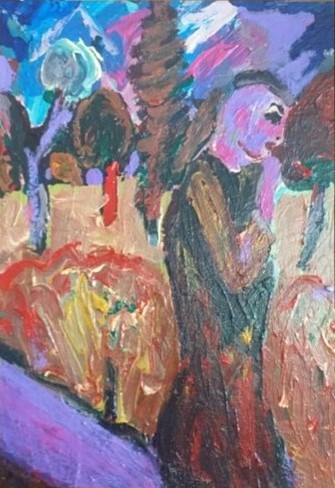
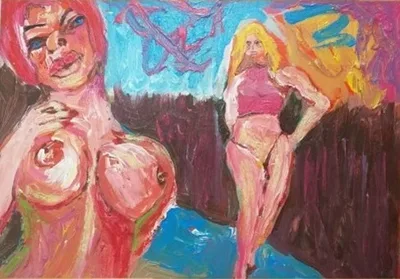
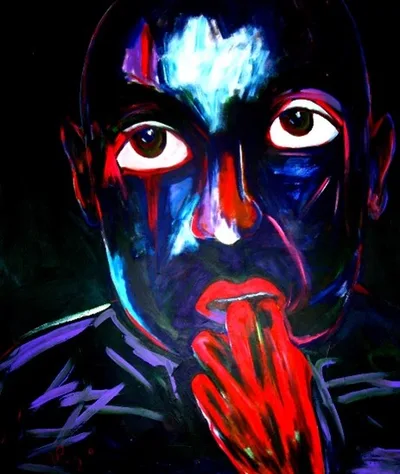
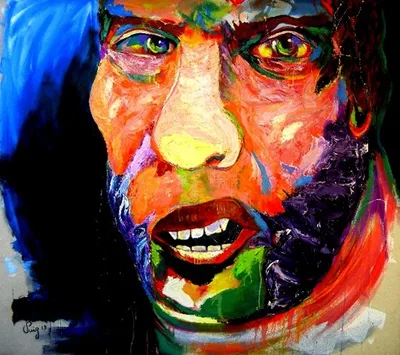
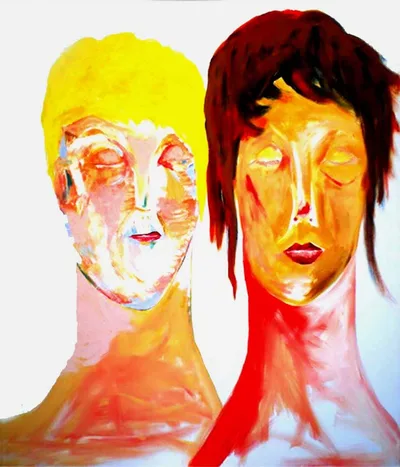
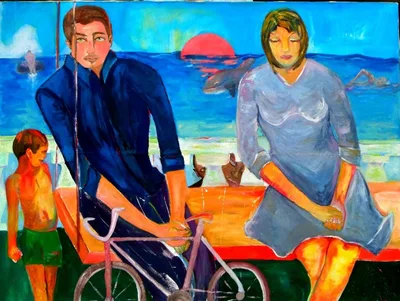
Figurative expressionism as a chromatic cry.
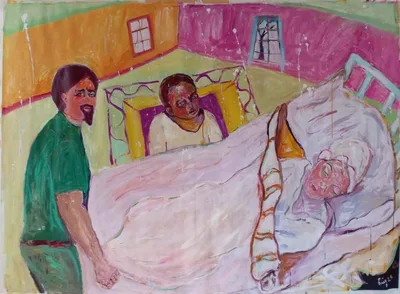
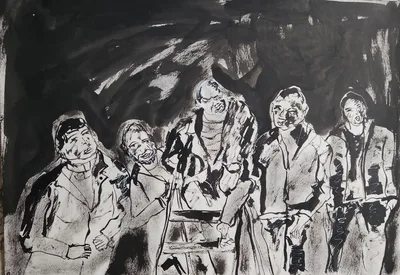
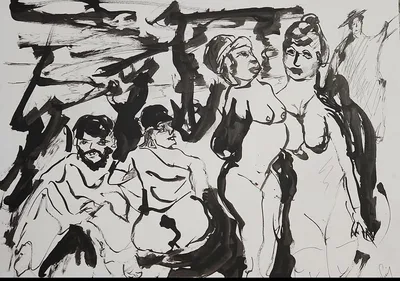
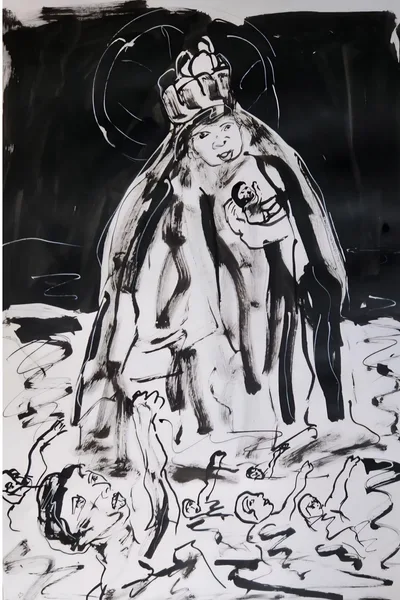
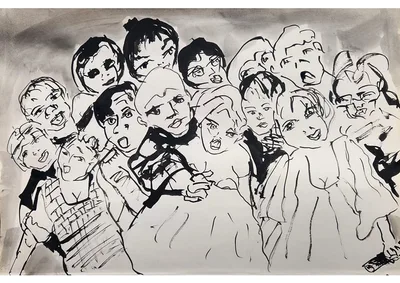
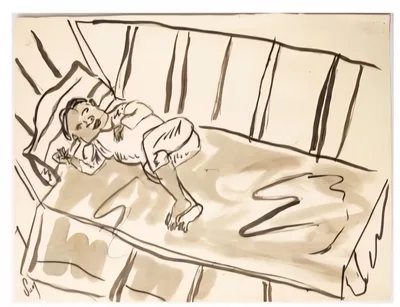
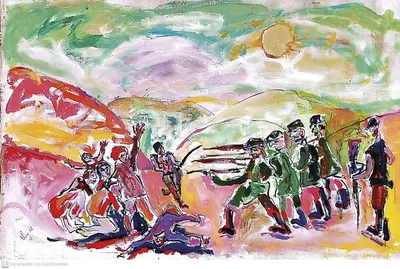
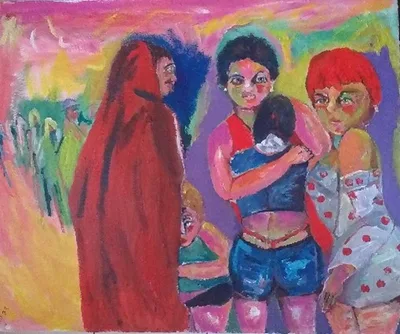
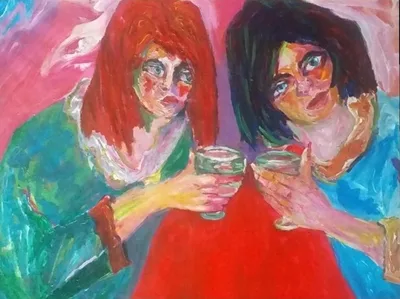
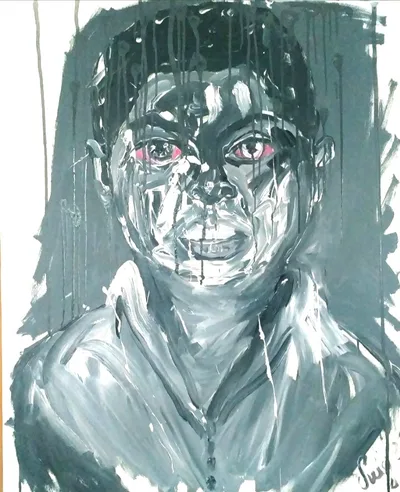
Fragmented bodies, lives in black and white beneath colourful appearances.
154 works · since 2007
«An artist of attitude whose forms never supplant the emotional content of a resoundingly sad expressionism.»
Héctor Antón CastilloLos extremos tocantes · elsrcorchea.com · 2020 (translated from Spanish)
Palette
Colour
as denunciation
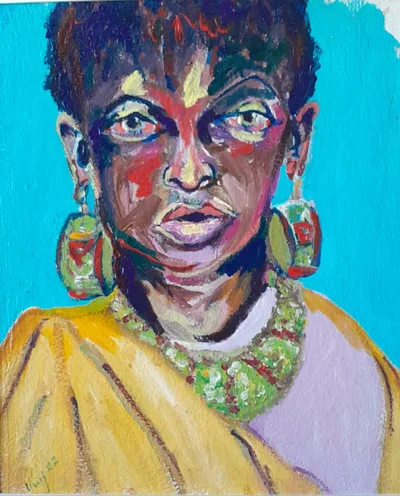
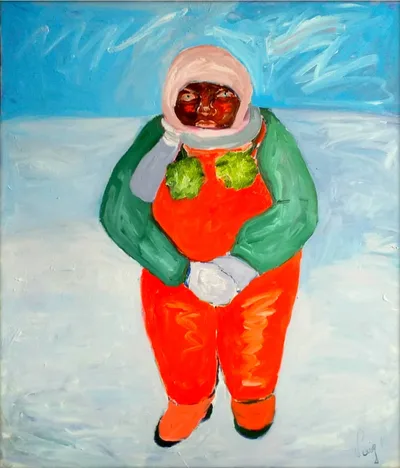
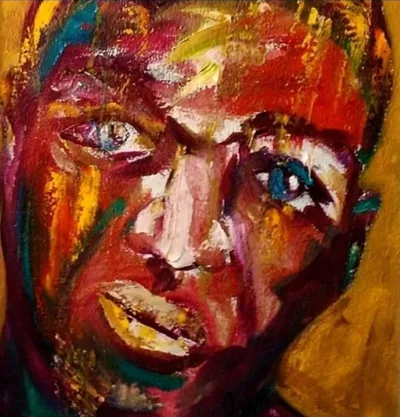
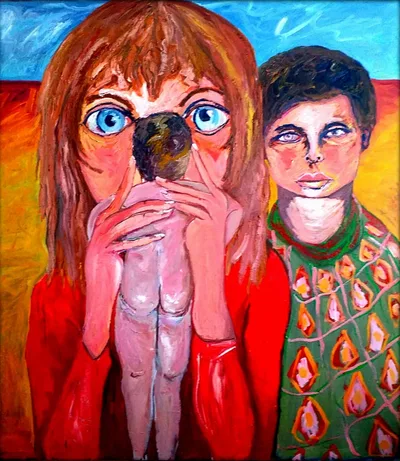
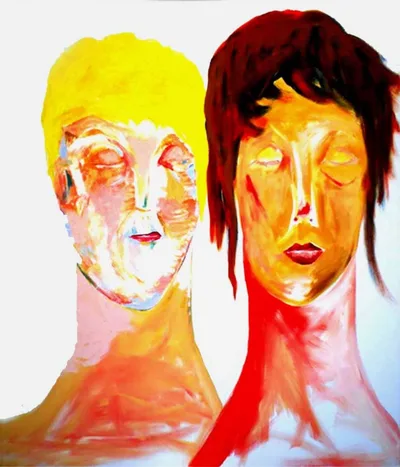
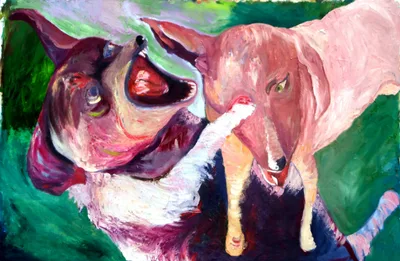
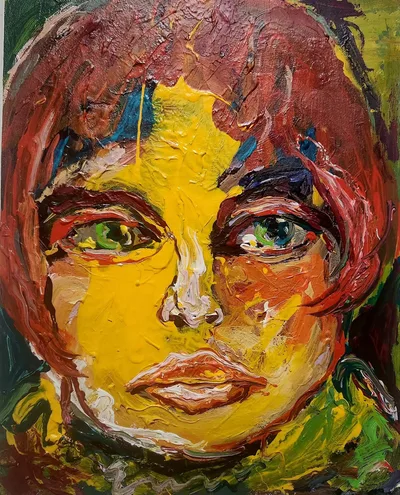
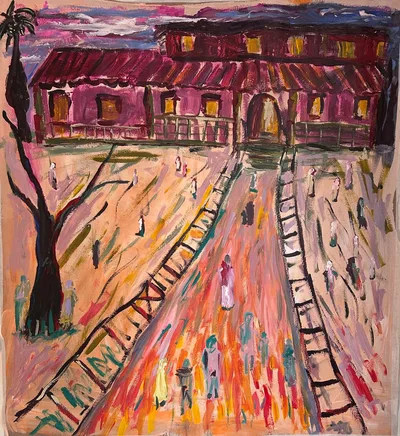
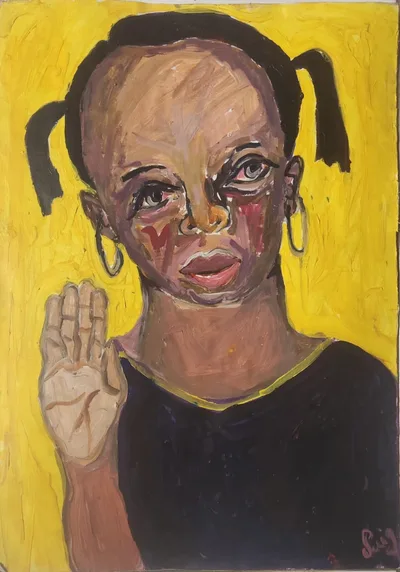
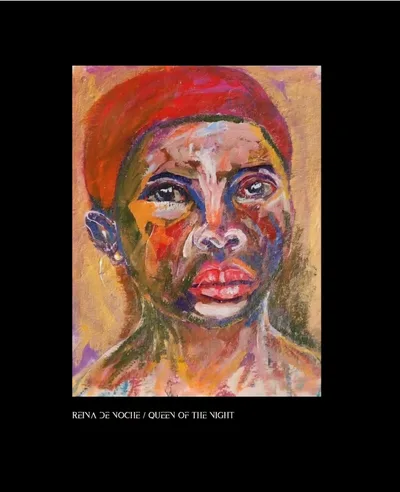
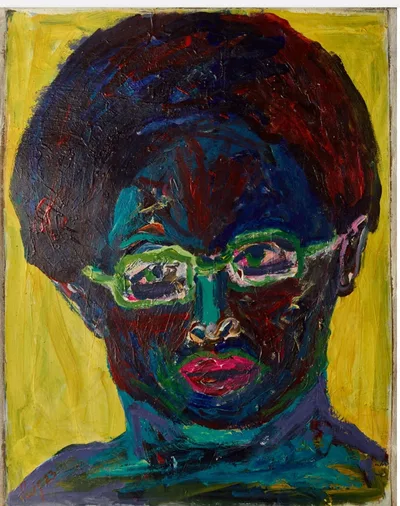
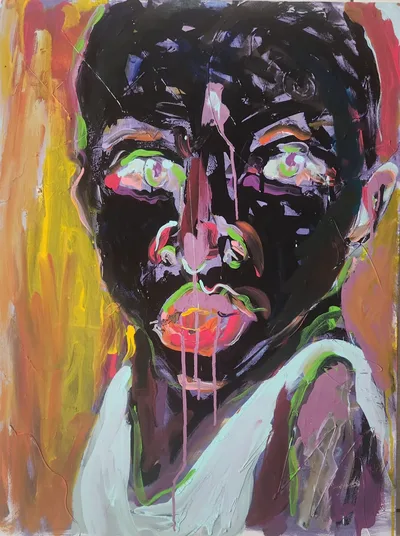
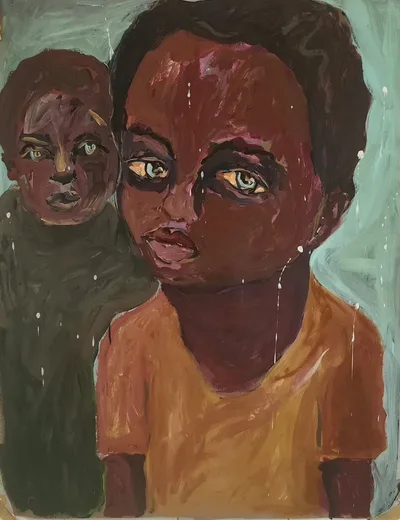
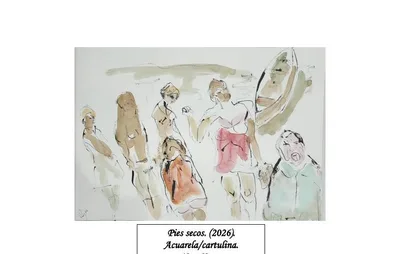
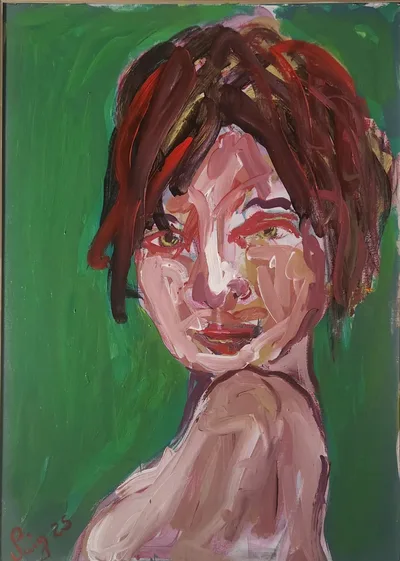
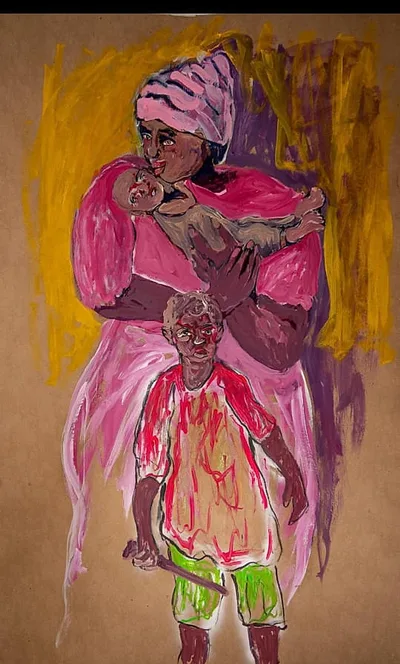
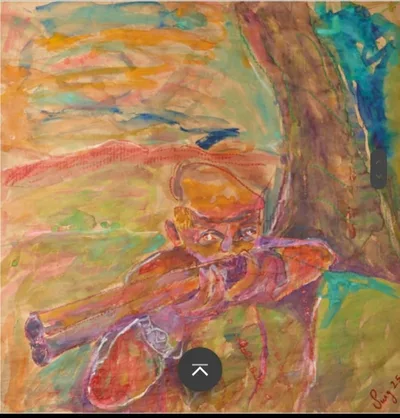
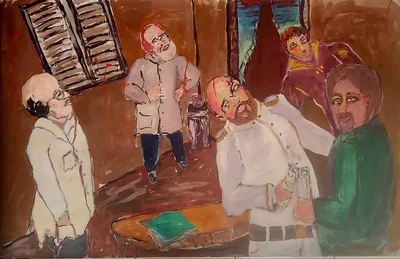
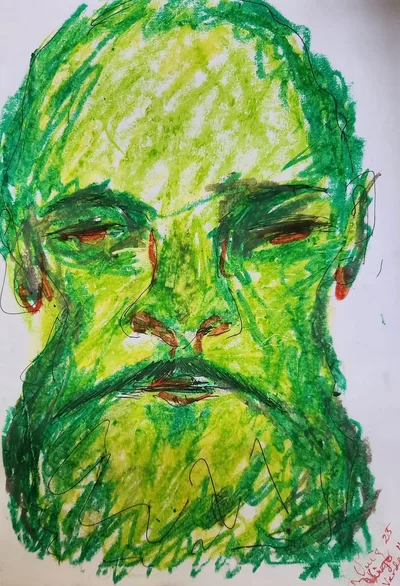
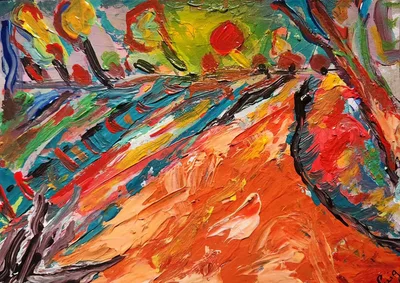
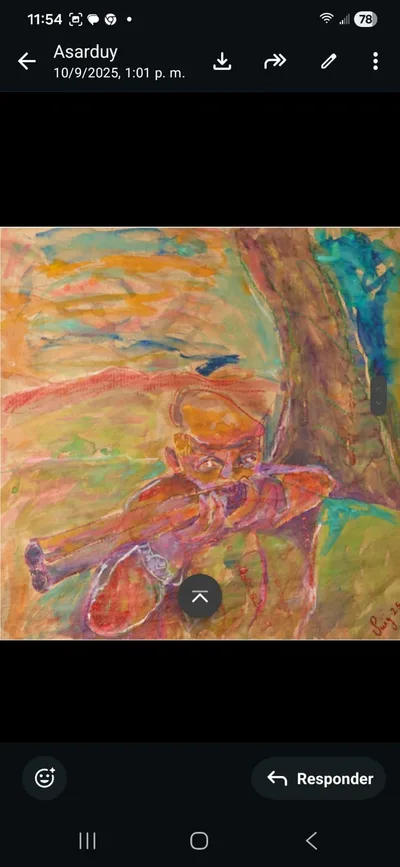
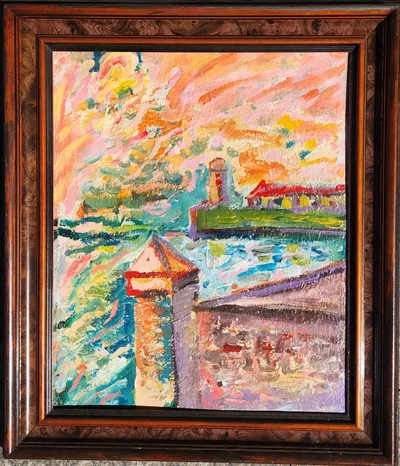
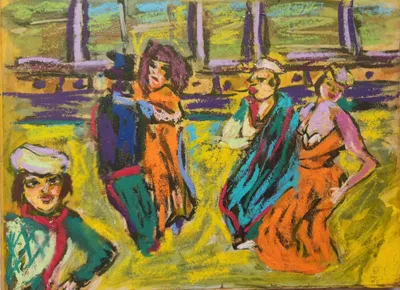
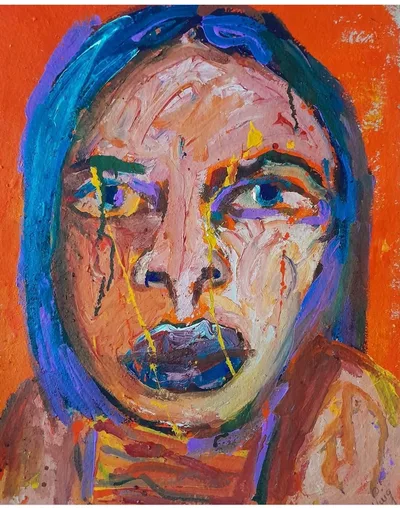
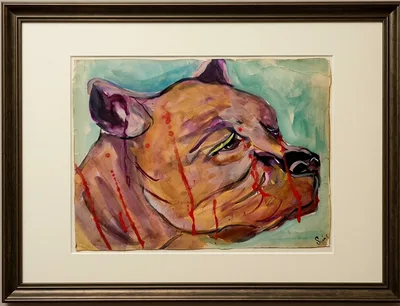
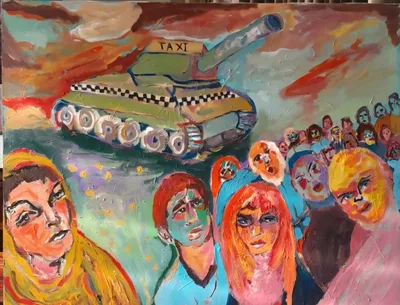
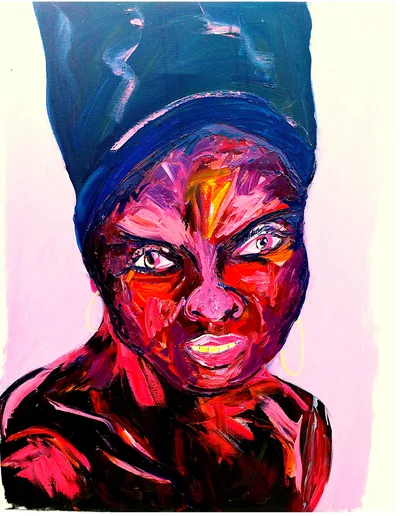
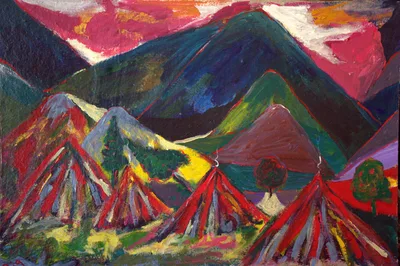
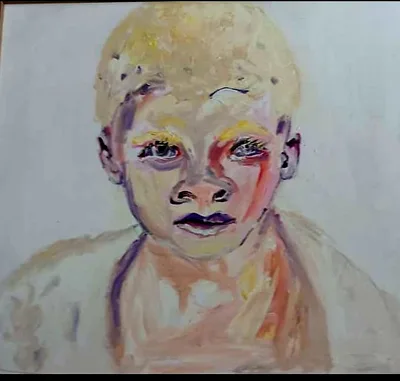
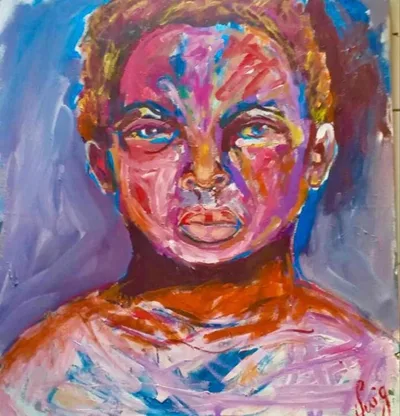
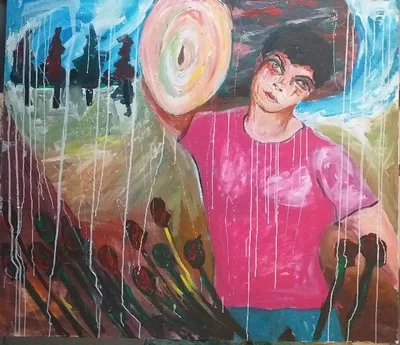
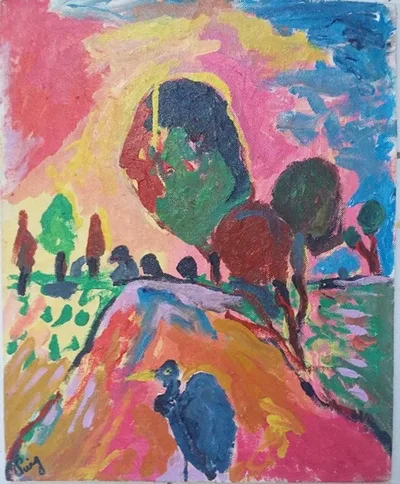
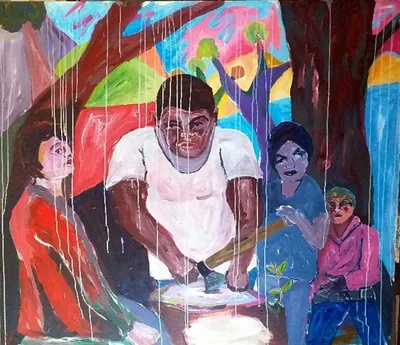
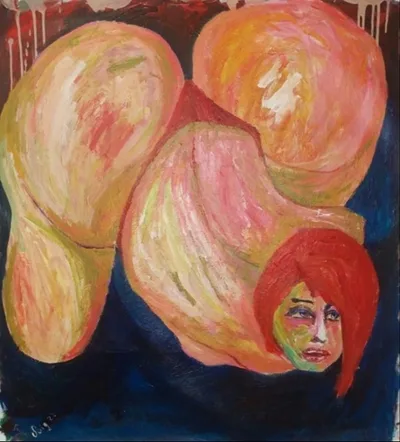
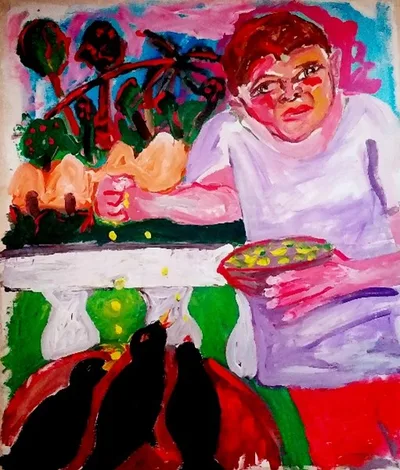
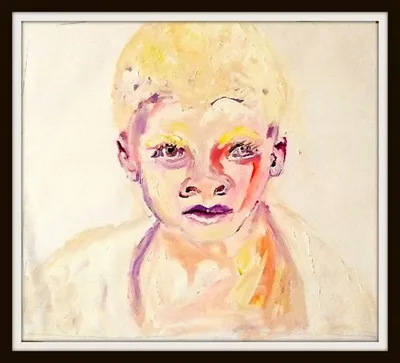
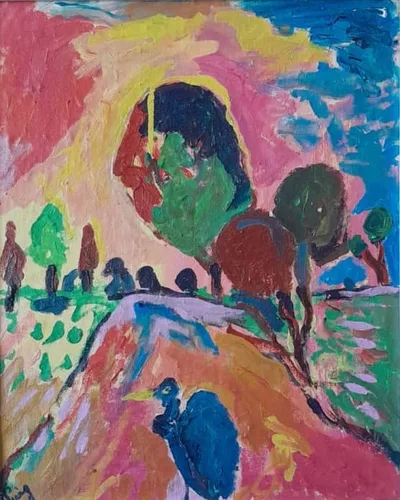
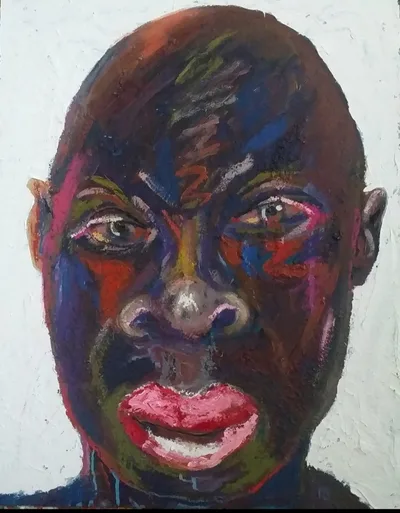
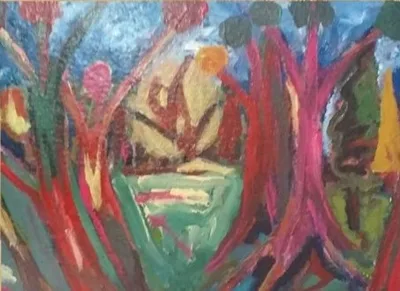
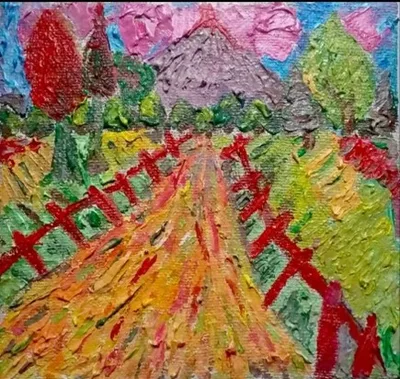
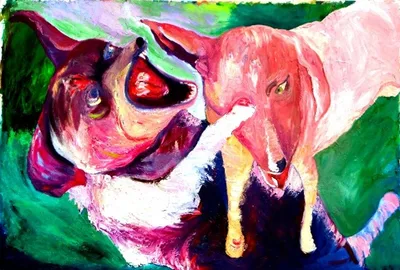
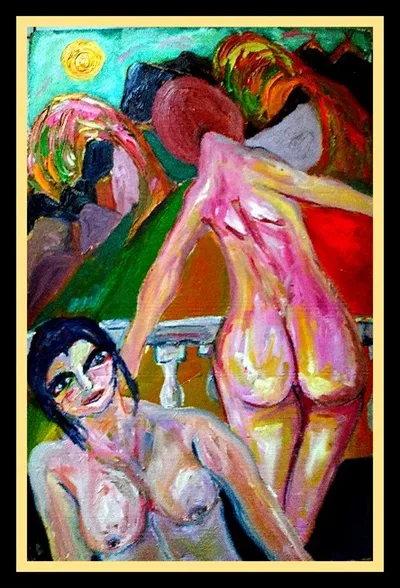
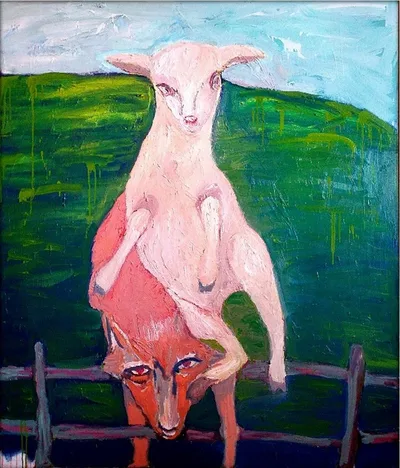
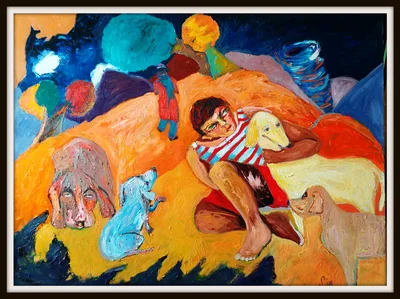
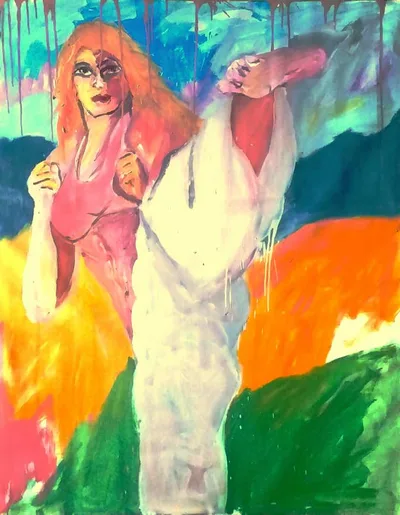
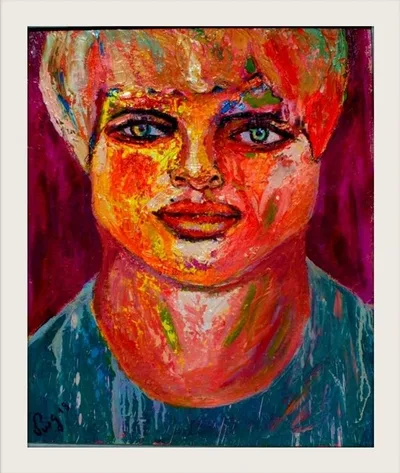
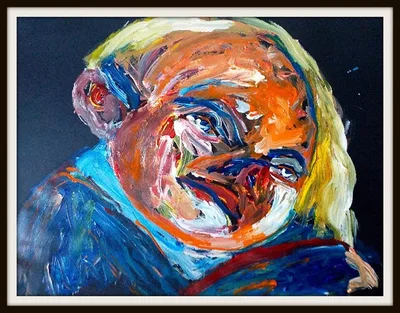
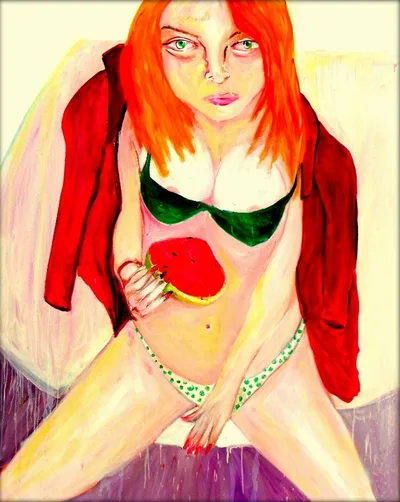
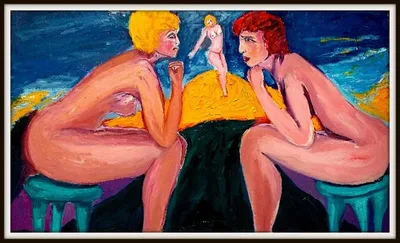
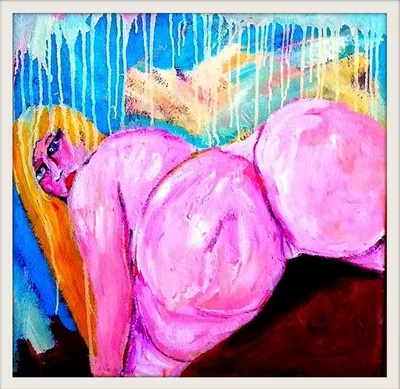
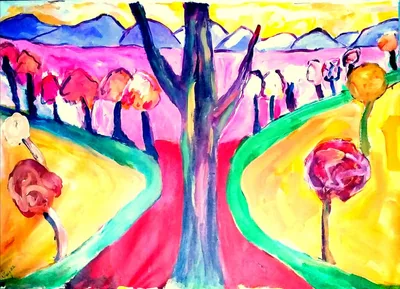
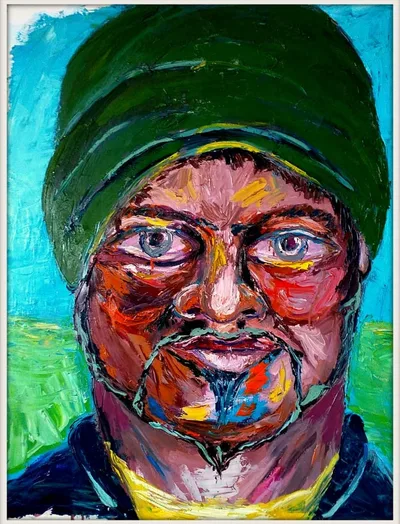
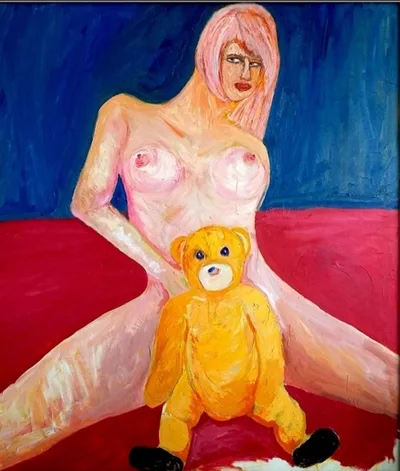
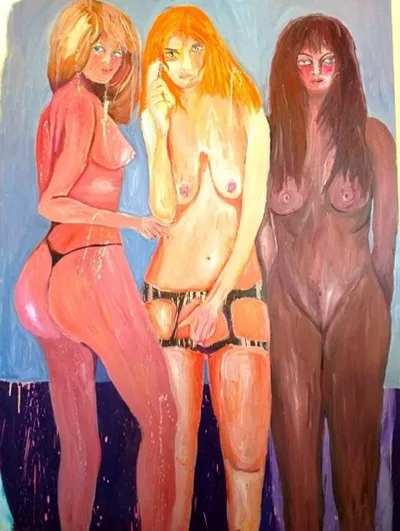
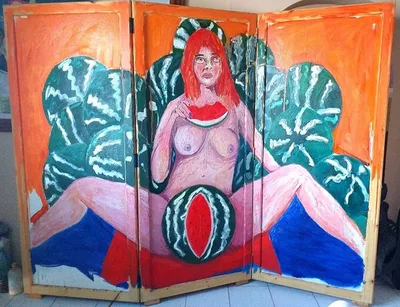
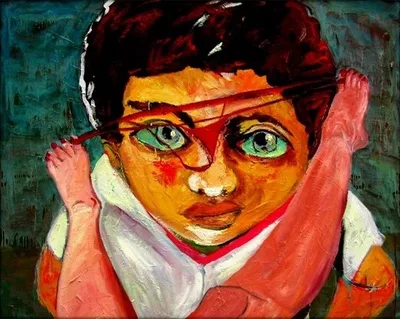
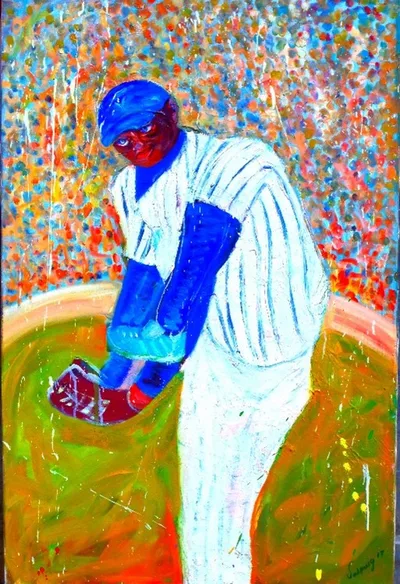
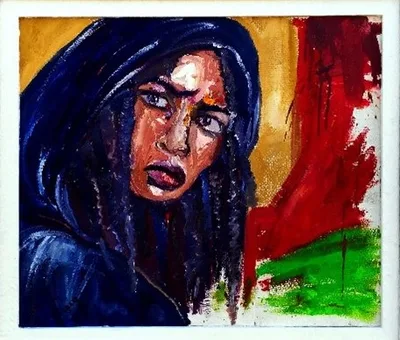
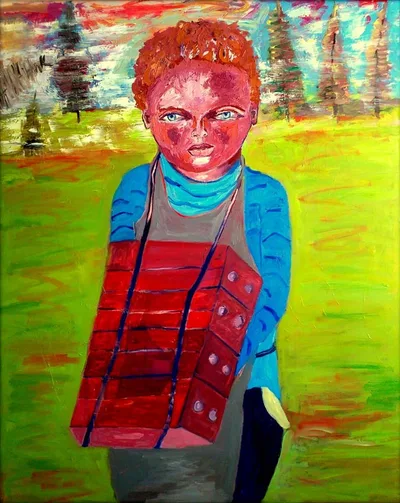
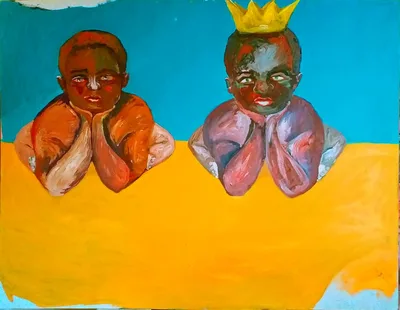
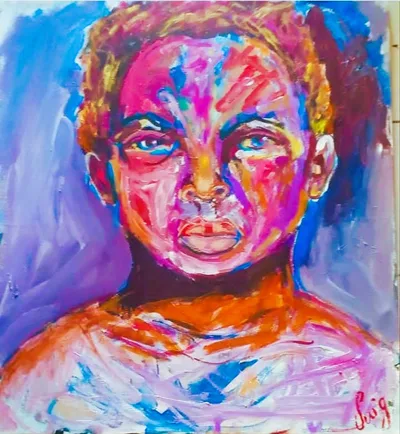
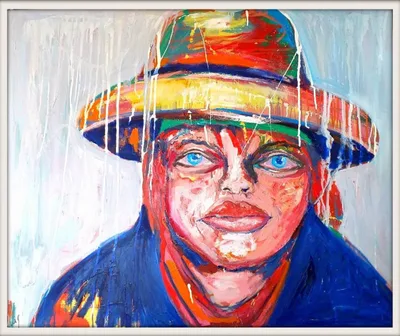
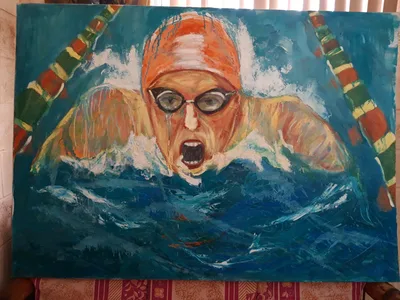
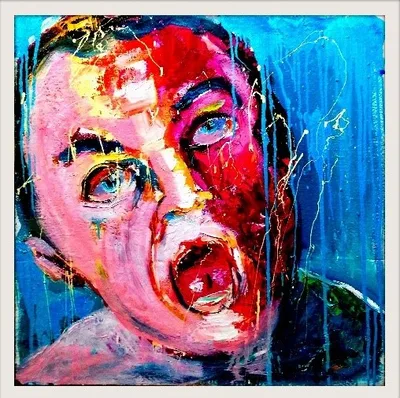
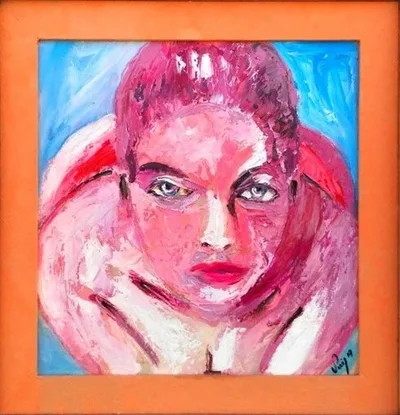
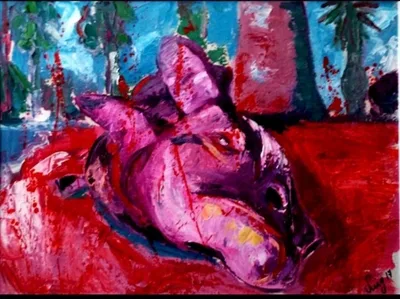
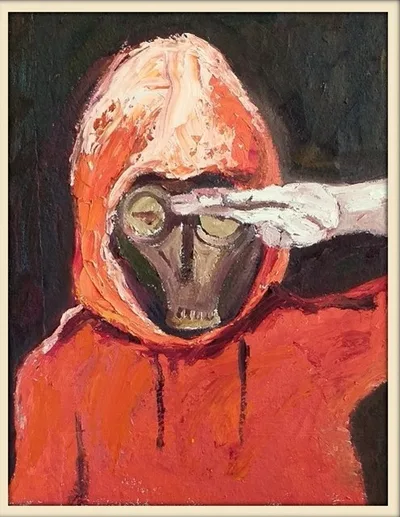
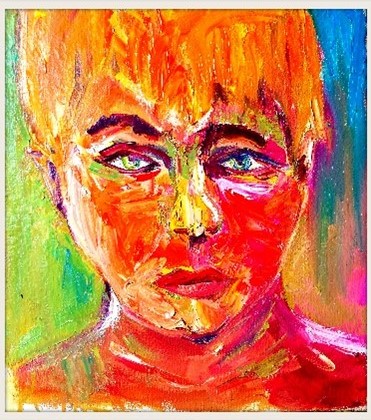
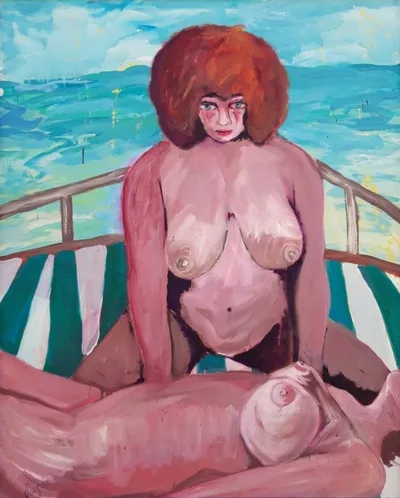
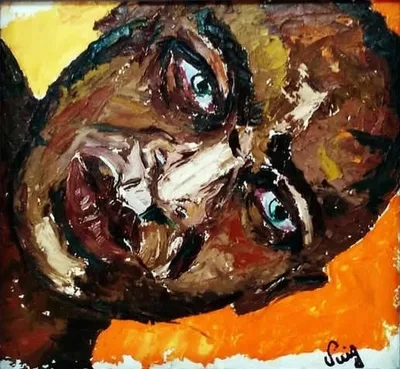
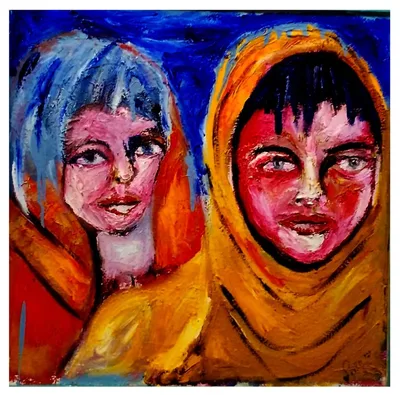
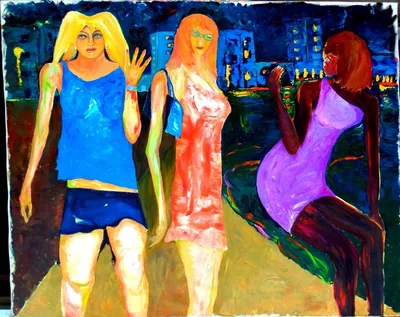
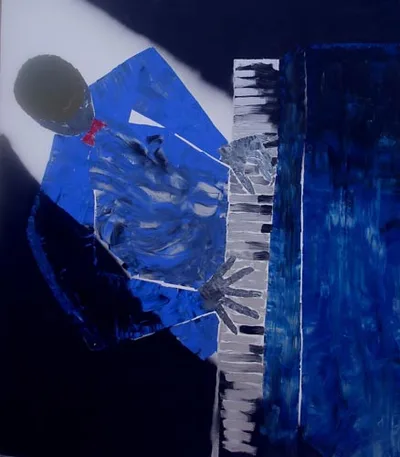
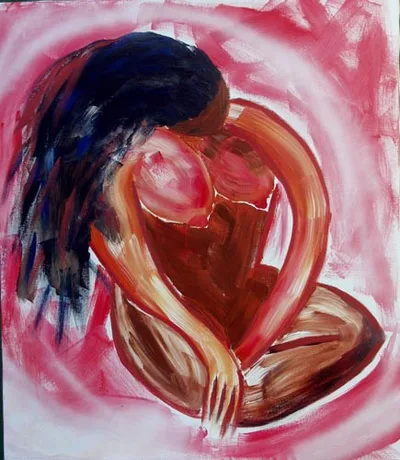
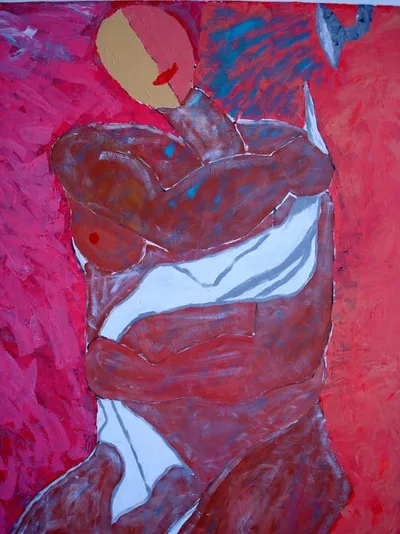
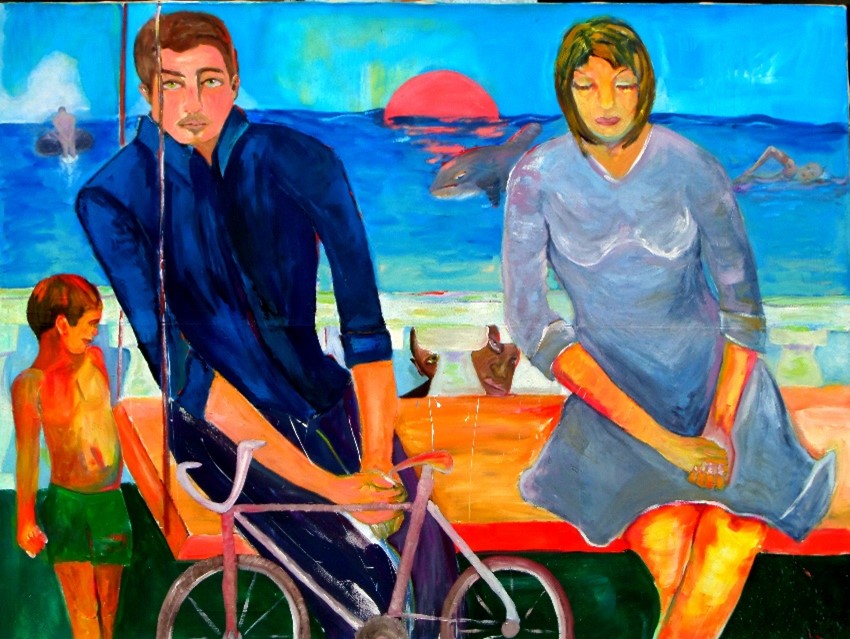
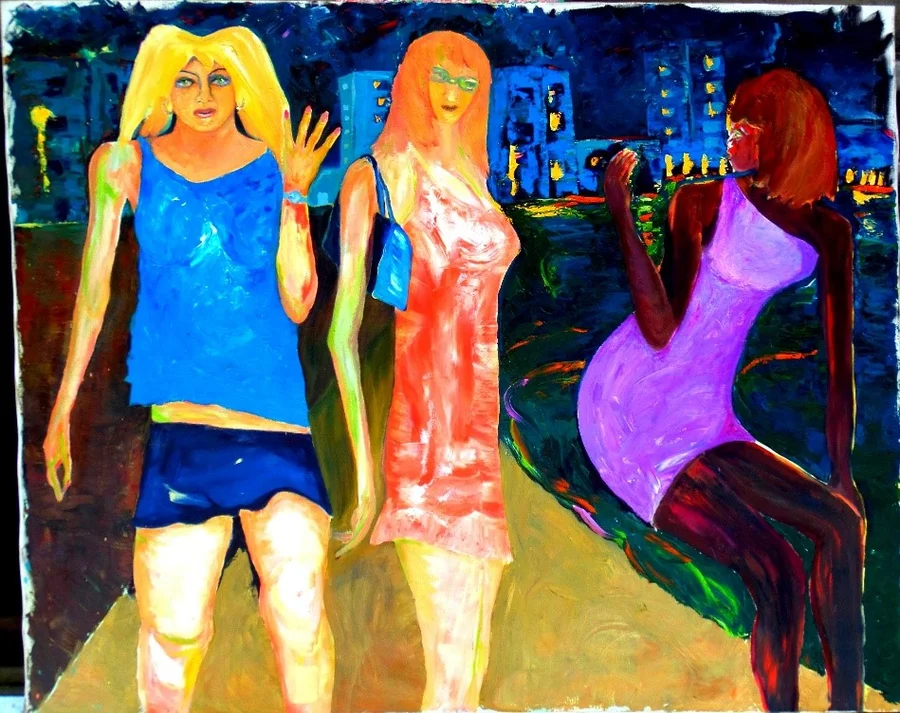
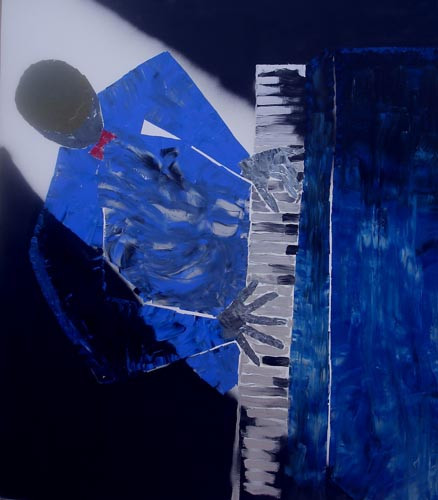
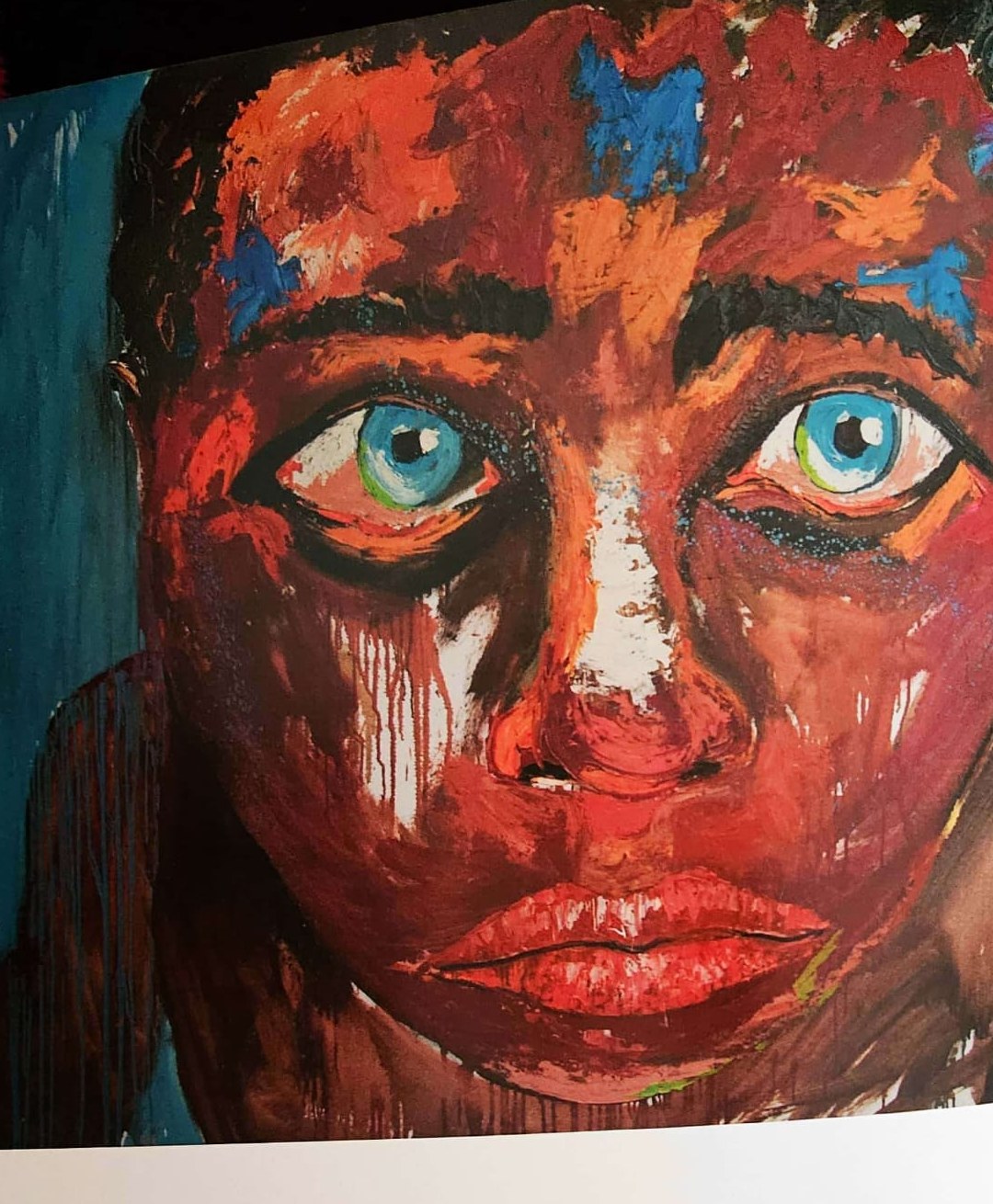
Saturated cadmiums at 85–100%. Deep cobalts. Mineral ochres that do not adorn. In Puig the chromaticism is paradoxical — what looks like celebration conceals mourning. The palette never decorates: it accuses.
a paradoxical chromatism that holds an essential Manichaeism: the colourful appearances of these characters without convincing biographies fail in their attempt to conceal black-and-white lives that know nothing of the tricks of make-up
Elvia Rosa Castro MartínLos extremos tocantes de Víctor Alexis Puig — elsrcorchea.com(translated from Spanish)
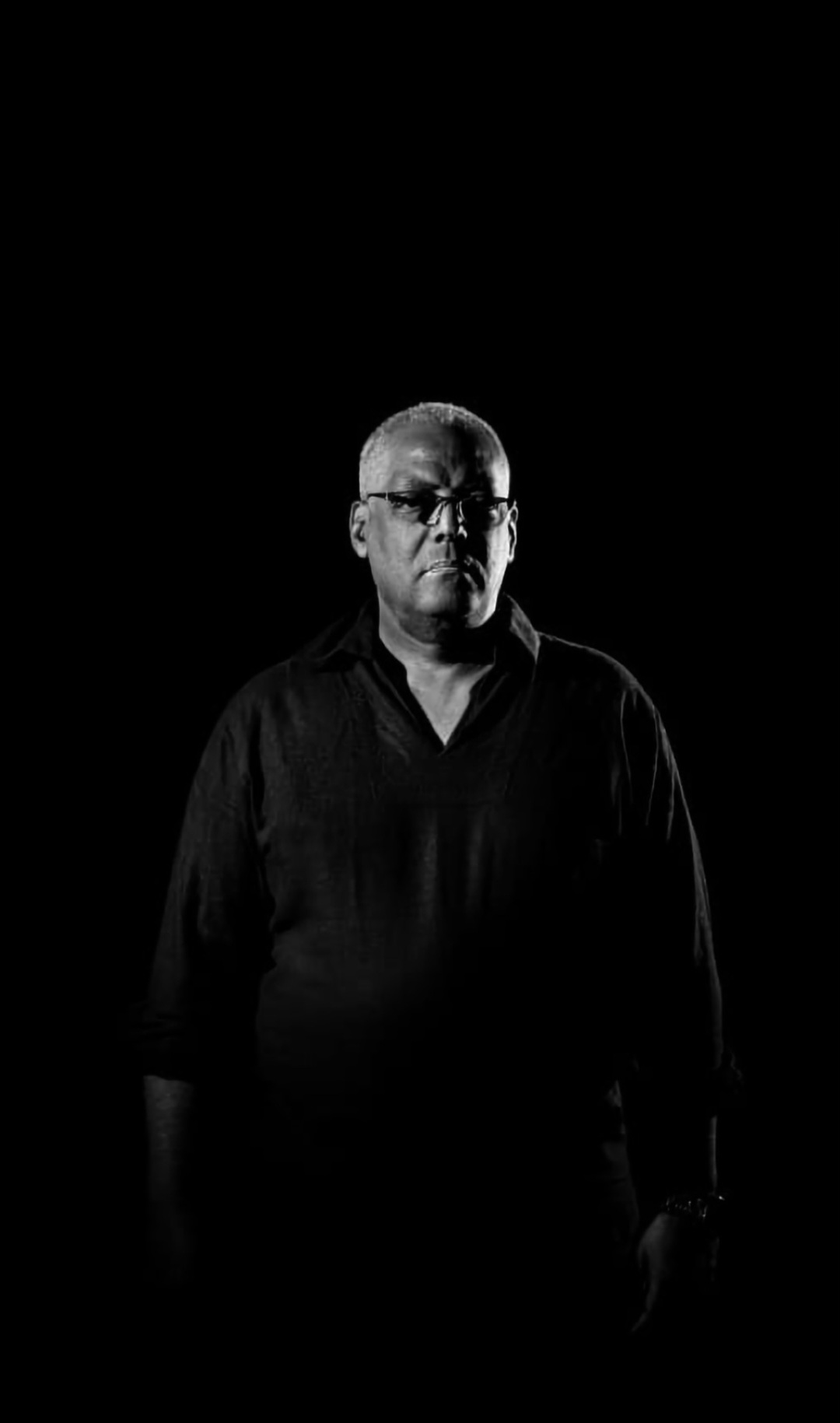
Self-taught by method, not by lack. Without San Alejandro or the ISA, Puig trained outside the Cuban apparatus — in informal workshops of Old Havana and through the obsessive study of Basquiat, the CoBrA expressionists (Appel, Corneille), Rouault at his most strident, and Lam at his most chromatic.
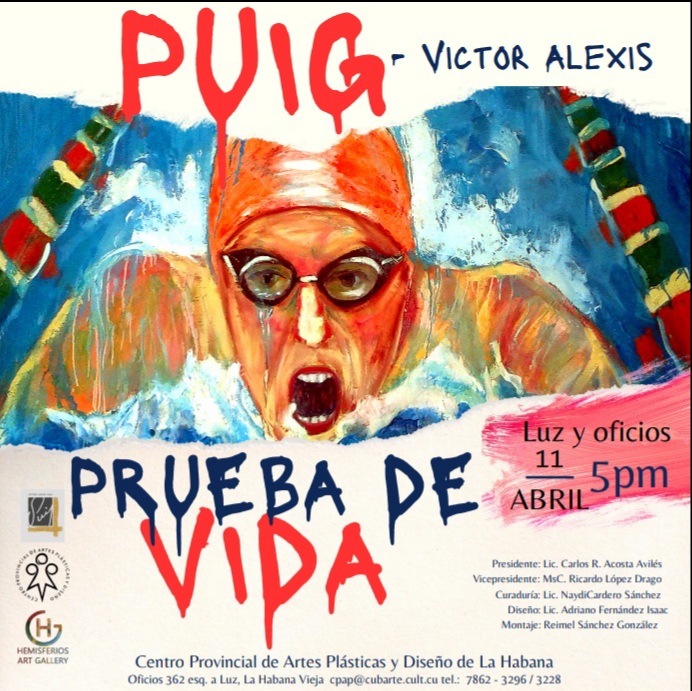
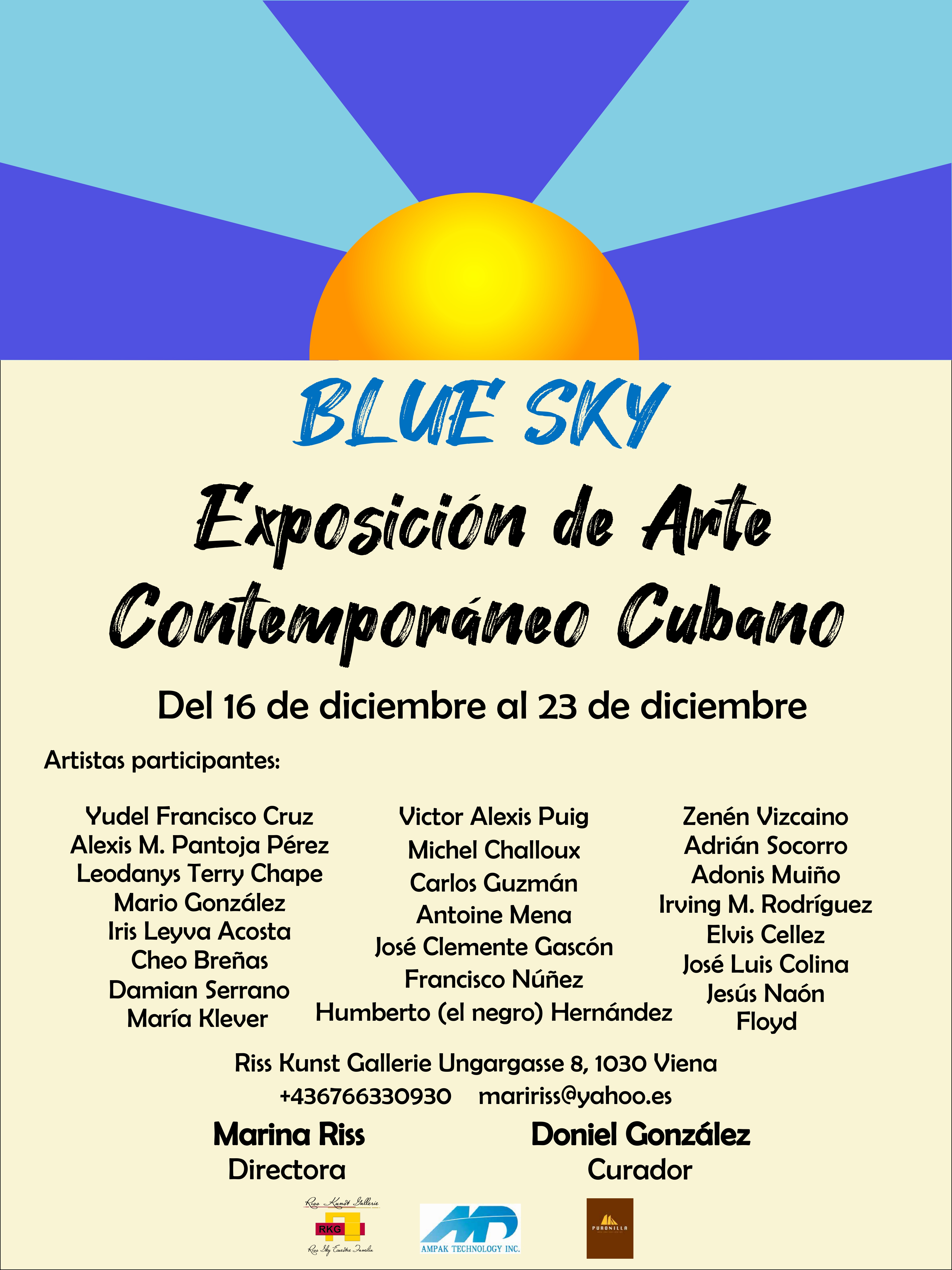
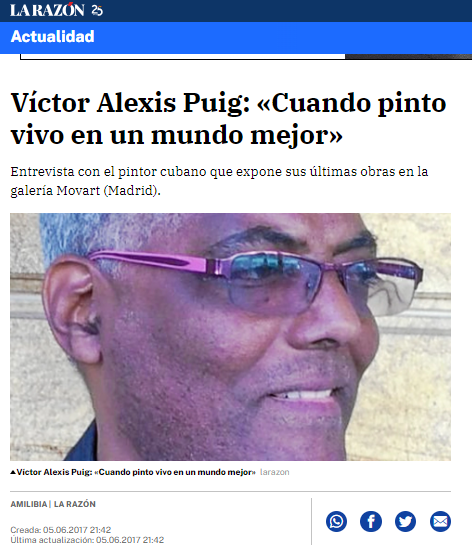
His first solo show, Figuraciones, opened at Galería Teodoro Ramos in 2007. From there to Spain in 2017 (Movart / Madrid and Fundación CAM / Valencia), then to Vienna (Blue Sky, Riss Kunst 2019), to Sydney, to Kuala Lumpur, to Washington. In 2018 he opened Prueba de Vida at the Centro Provincial de Artes Plásticas in Havana — the exhibition was withdrawn by the authorities in 2023. The work, evidently, was not decorative.
«My work has something that is not taught in the academy: it is the use of art as survival against injustice, against the discomfort that tears at the skin of the comfortable.»
Víctor Alexis Puig, Dossier 2026 (translated from Spanish)
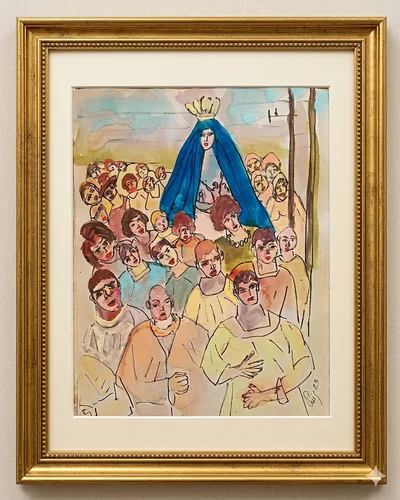
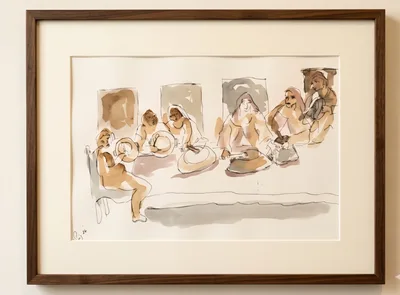
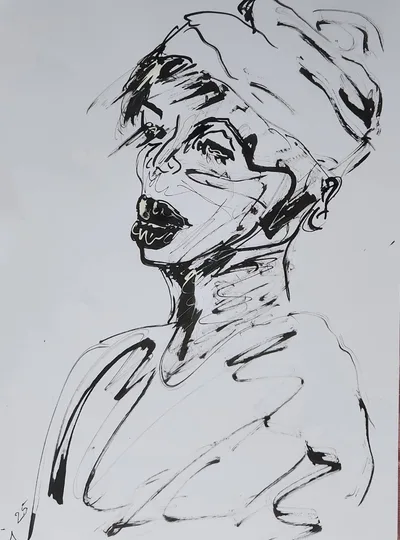
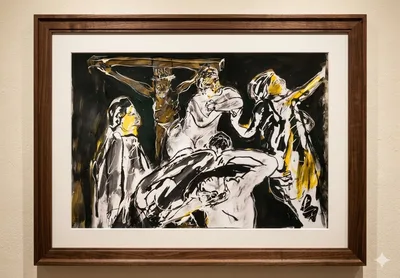
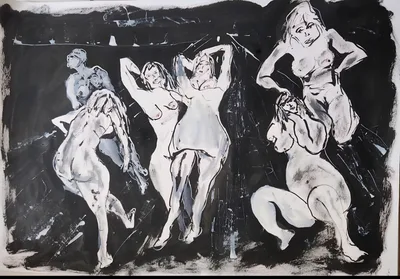
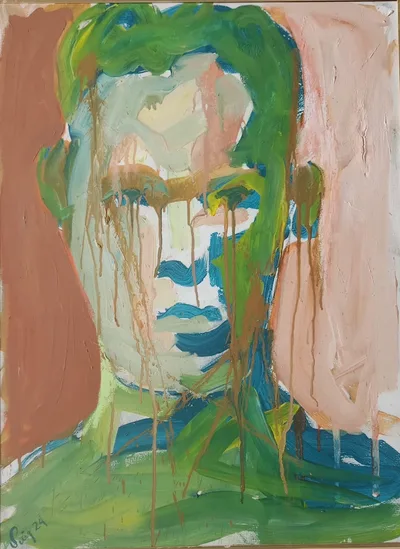
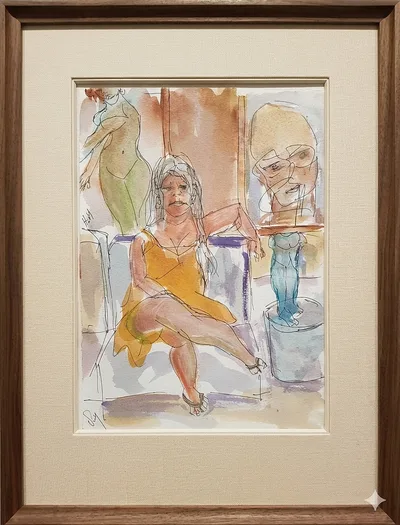
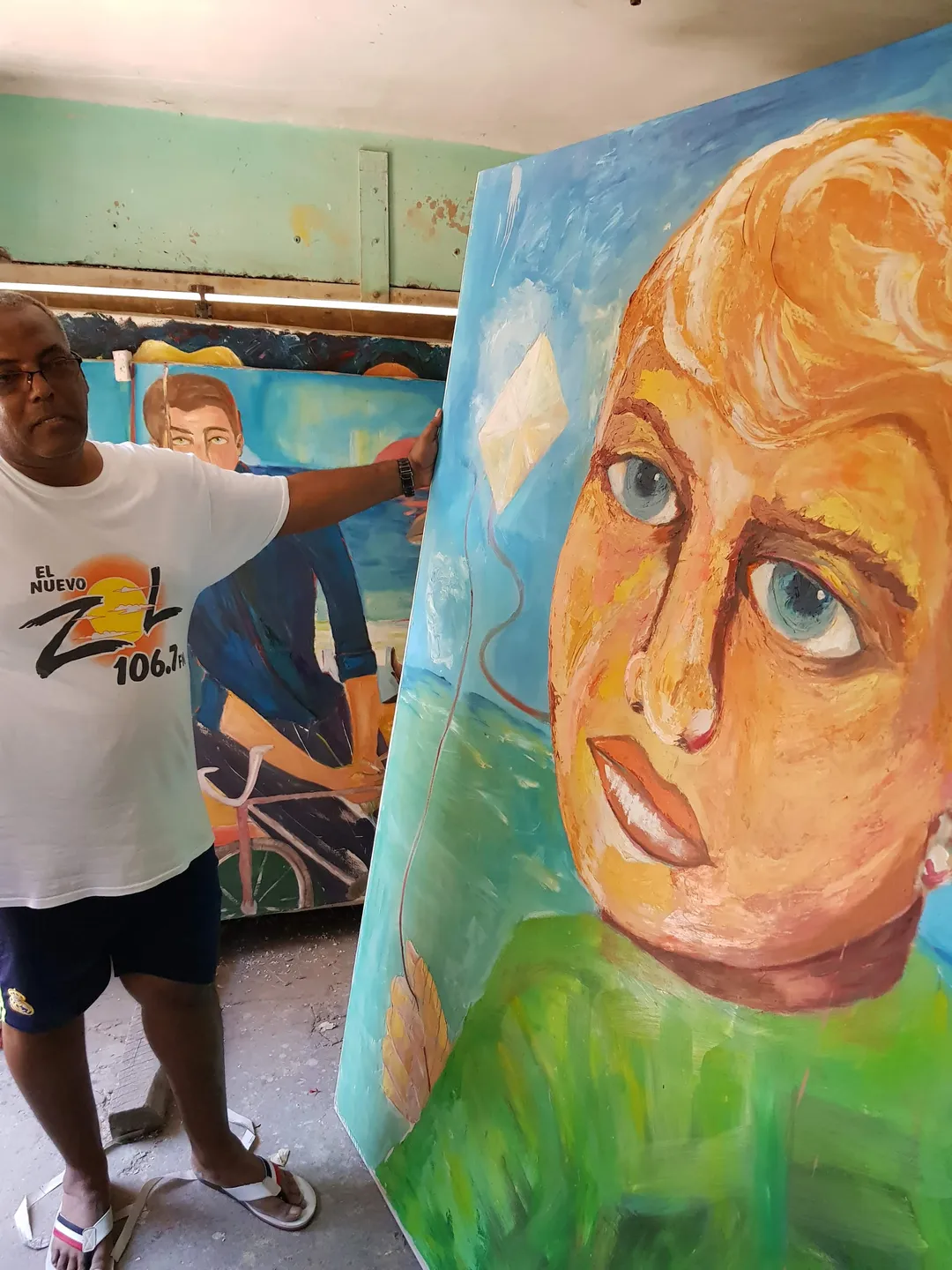
Today he works between Brazil and Spain. Oil on canvas as his primary medium, acrylics as intentional drips, watercolour and drawing. The pieces range from 55×45 cm to large formats of 200×160. The subject has not changed: fragmented bodies, figures in transit, a generation anchored in a past without a future — as the critics have written.
- Born
- 2 de mayo de 1966 · La Habana, Cuba
- Training
- Autodidacta · neither San Alejandro nor ISA
- Previous profession
- Radio-communications engineer · left academia in 2005 to devote himself to art
- First exhibition
- Every painting sold at his solo debut (Europa Radio interview)
- Disciplines
- pintor · escultor · dibujante
- Route 2023–2026
- Cuba → Guyana (2024) → Brazil → Spain (Barcelona, forthcoming)
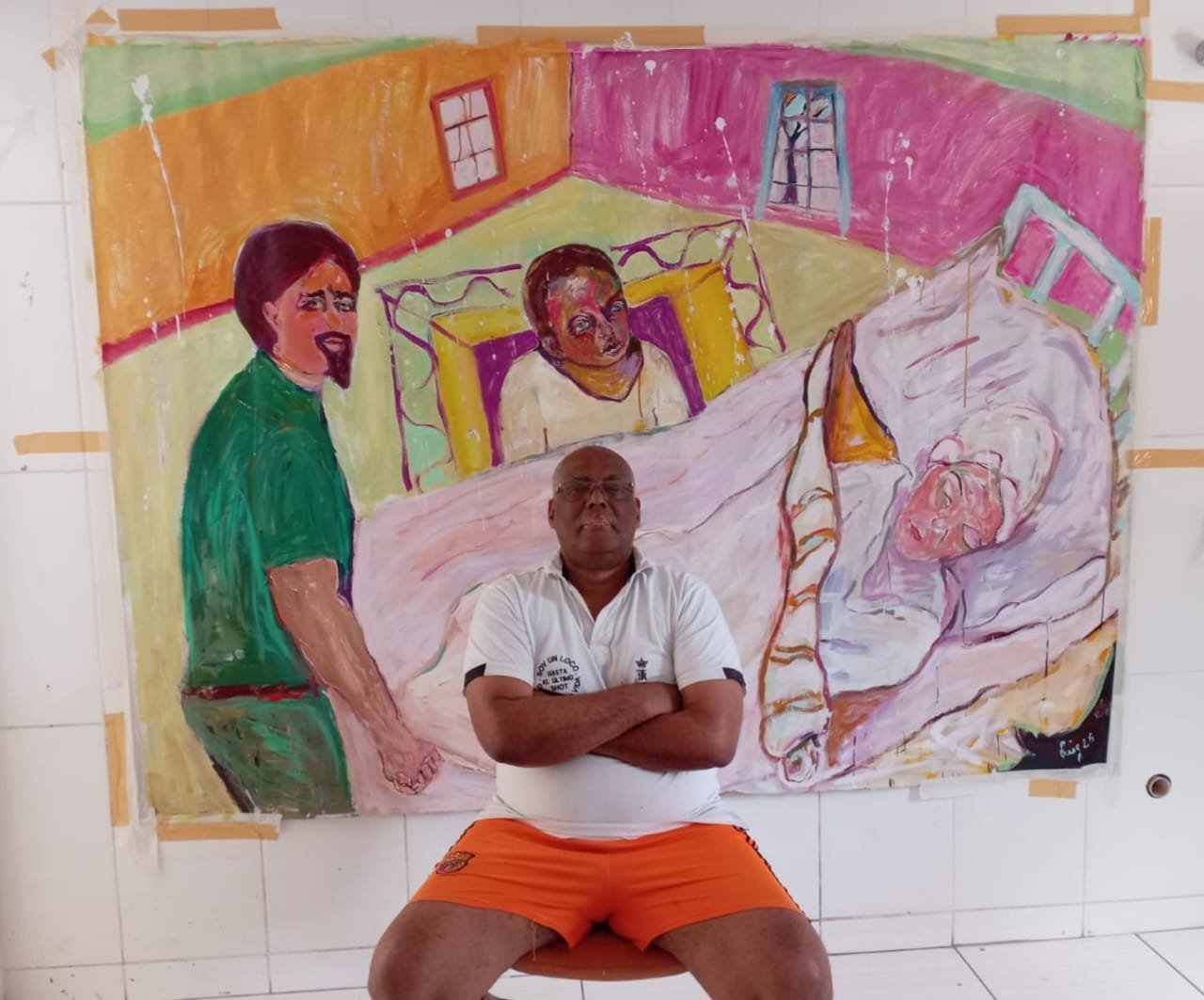
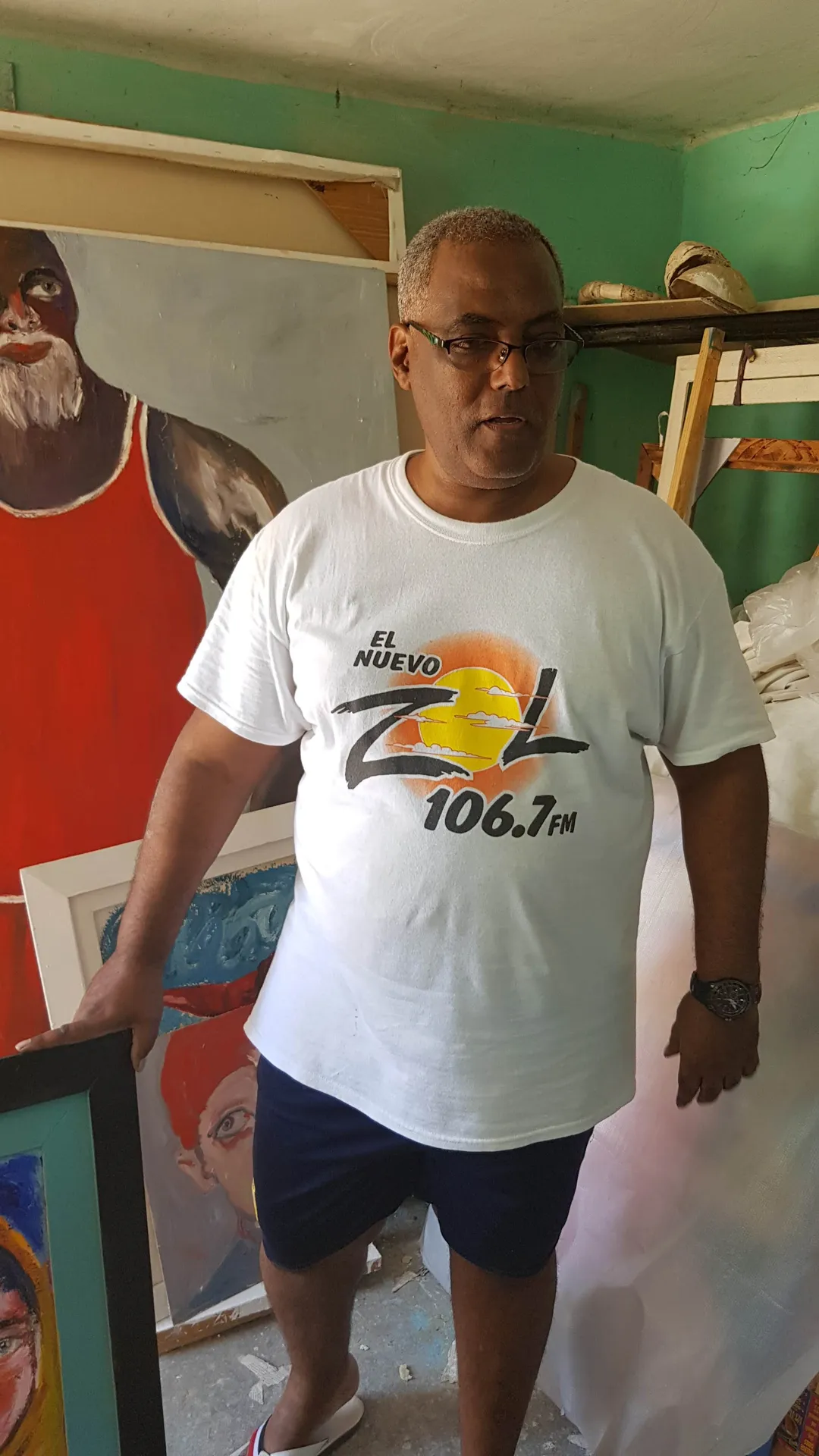
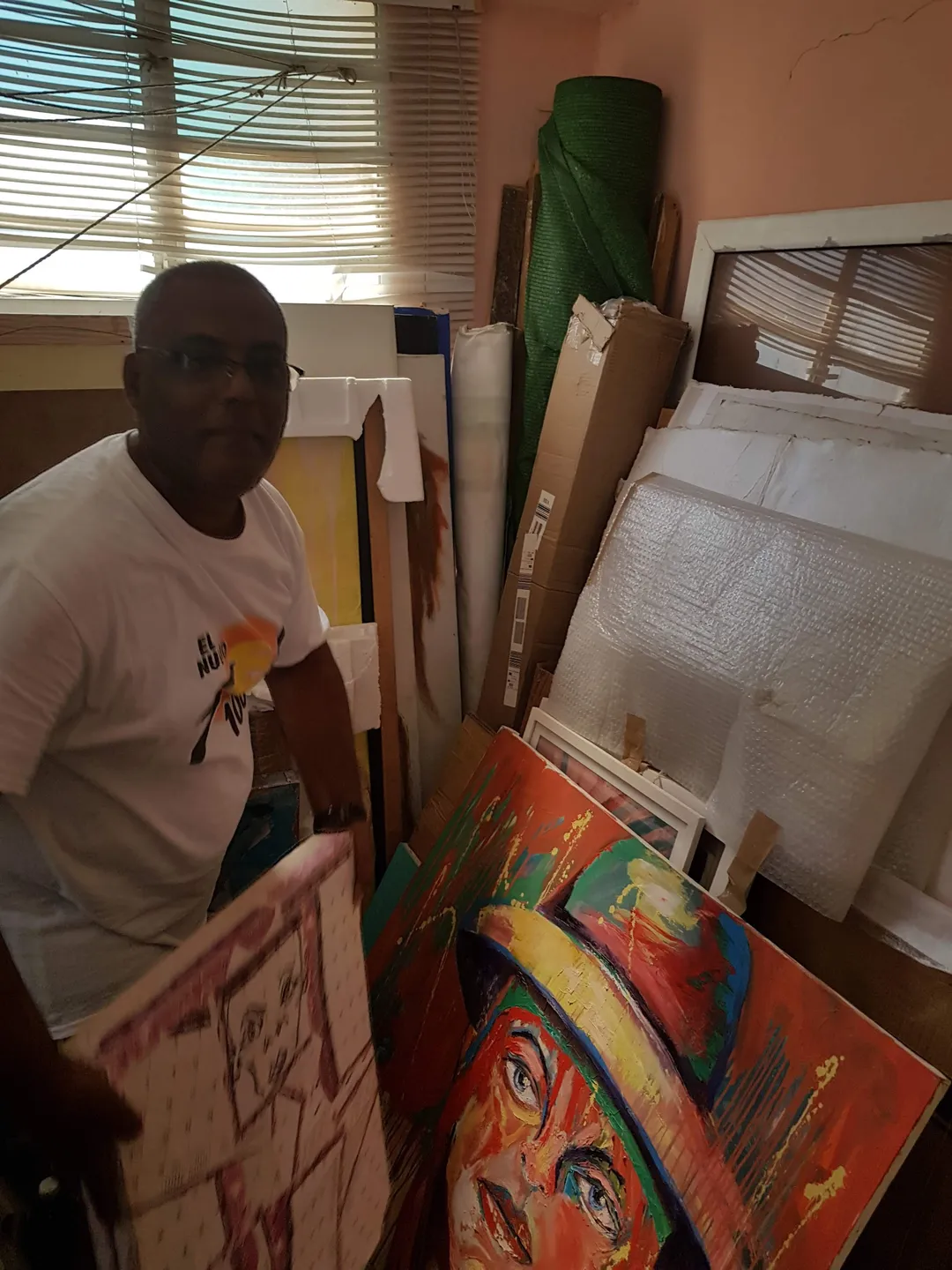
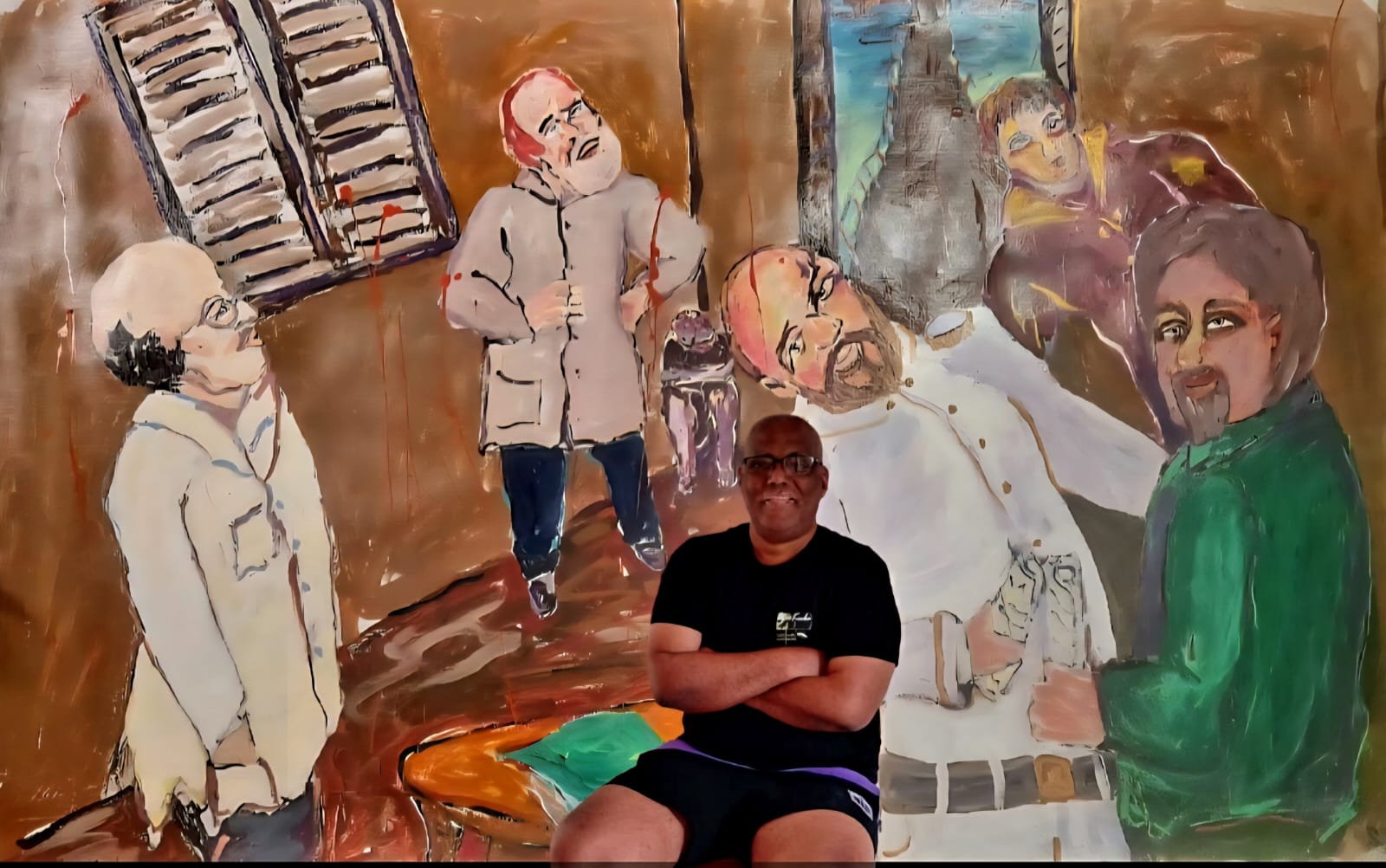
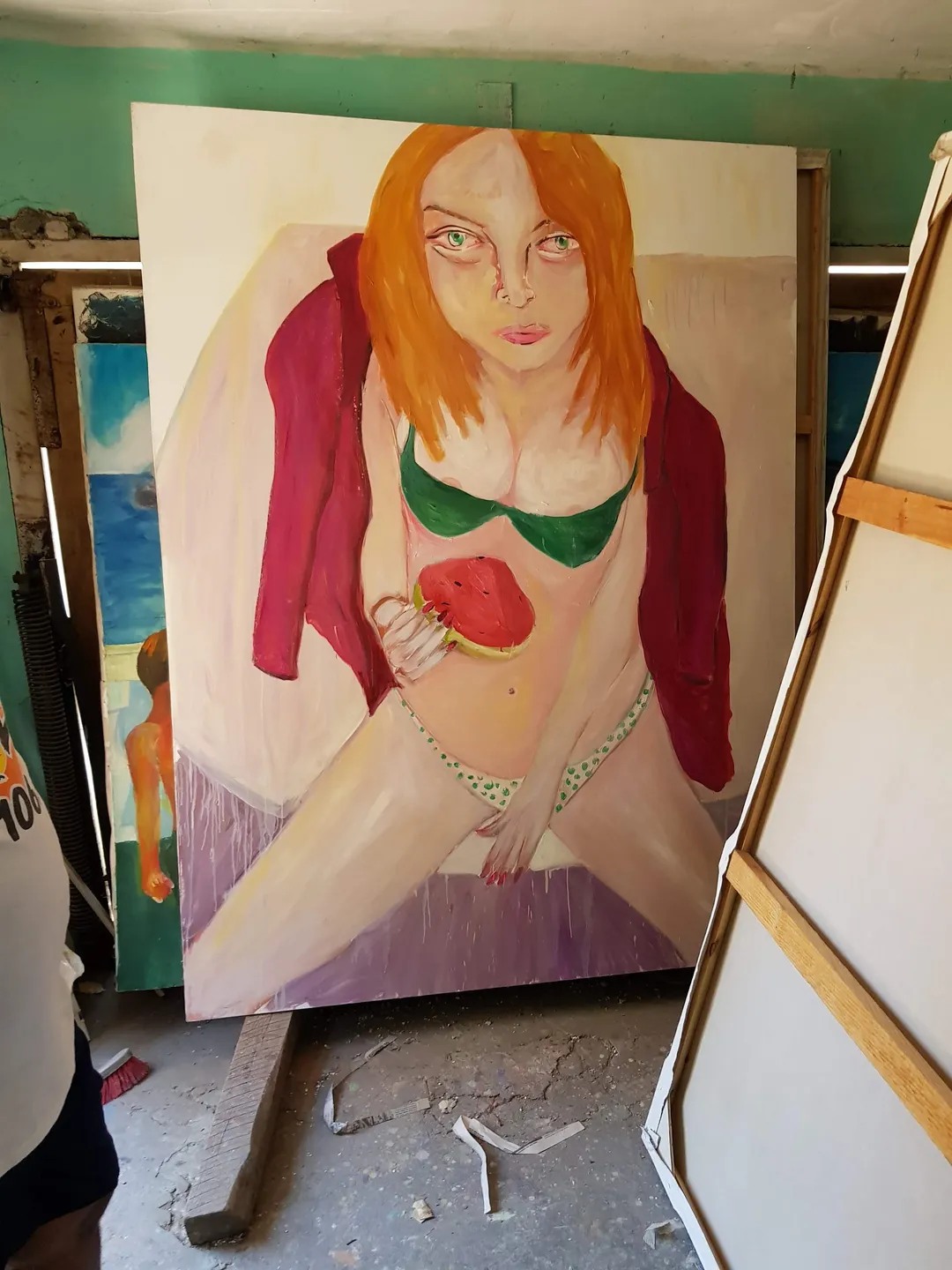
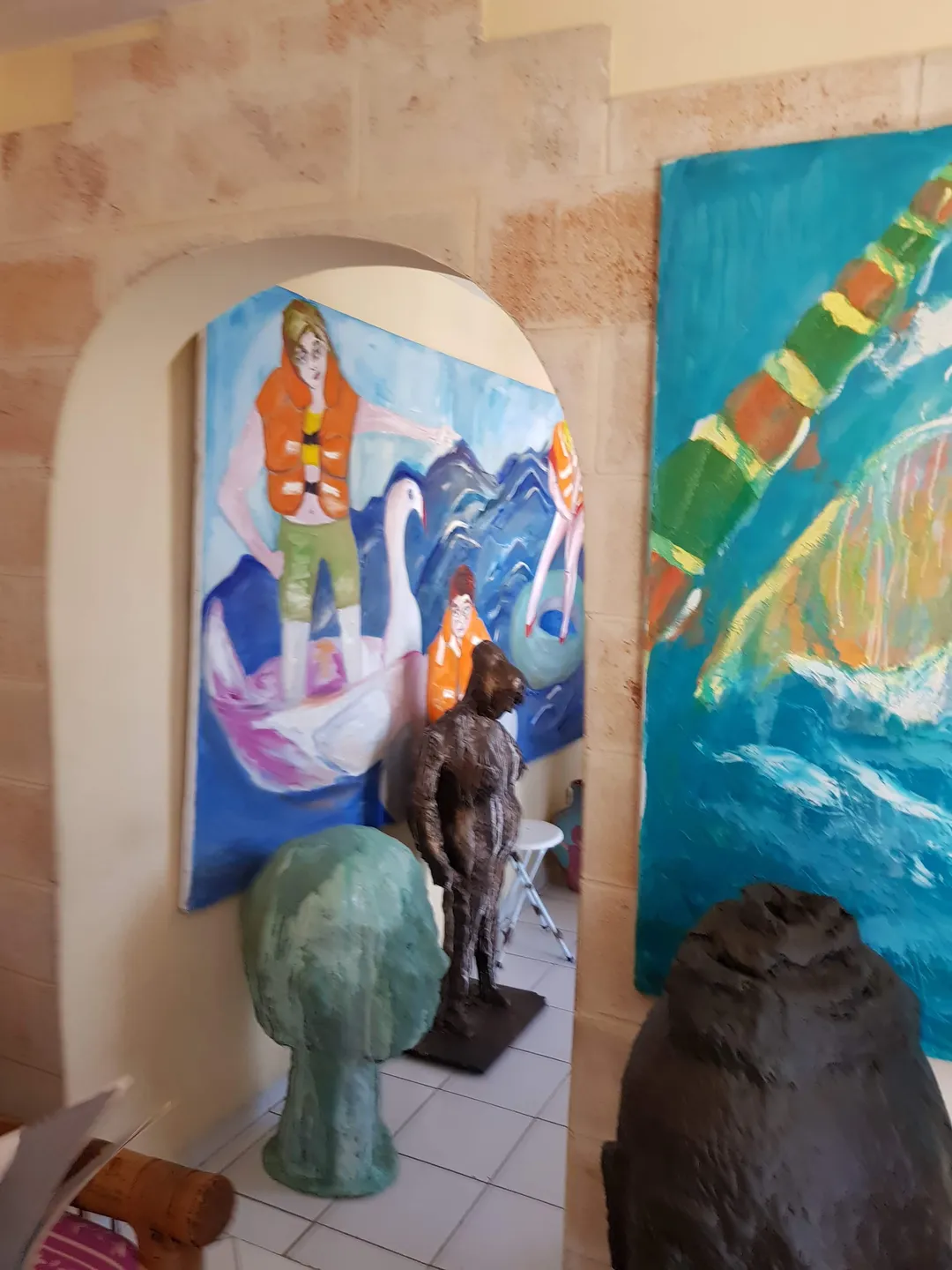
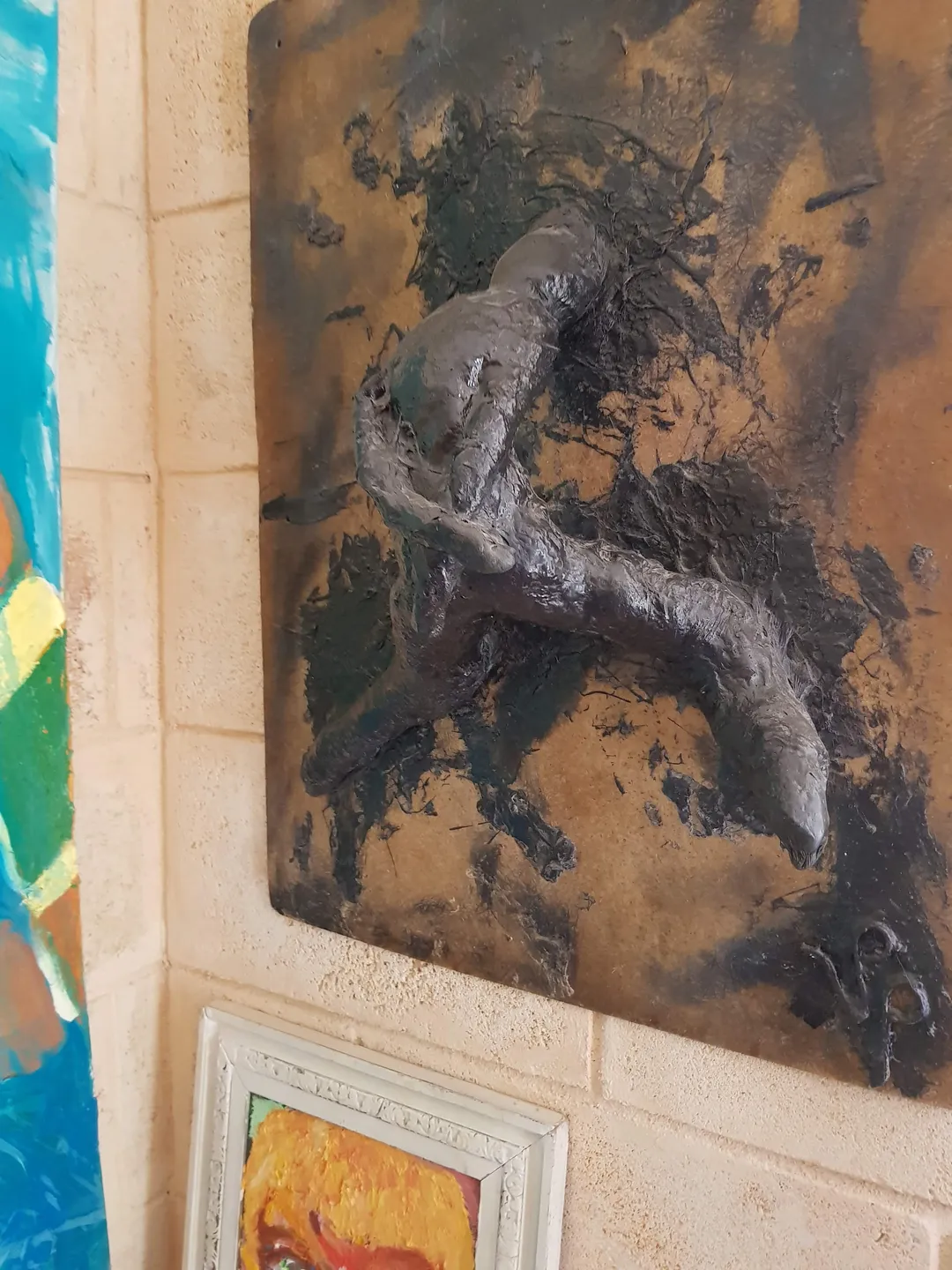
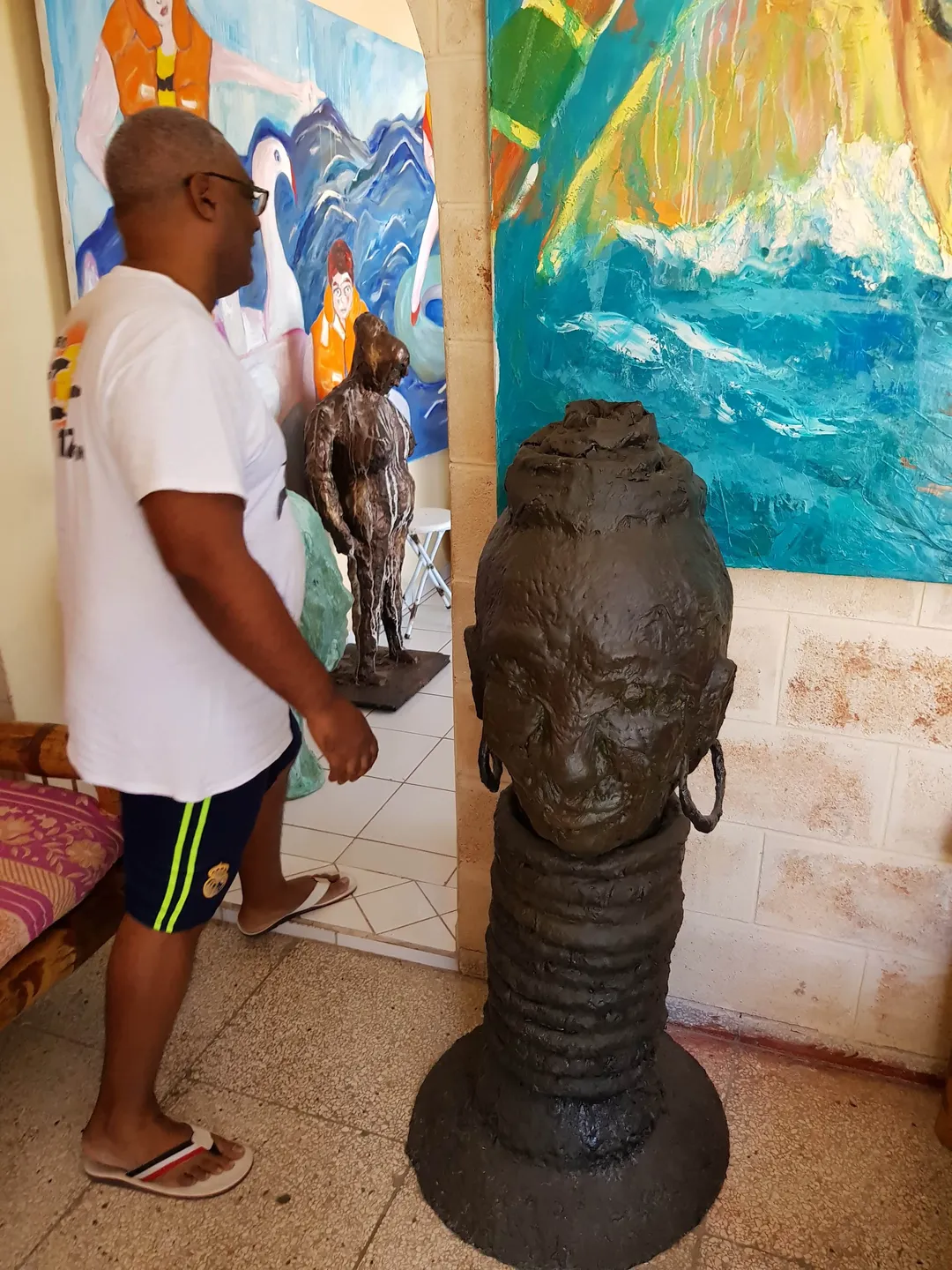
The studio · Havana
Two hand-spans from the canvas
The works are large. Puig is small before them. That shows, and it becomes content.
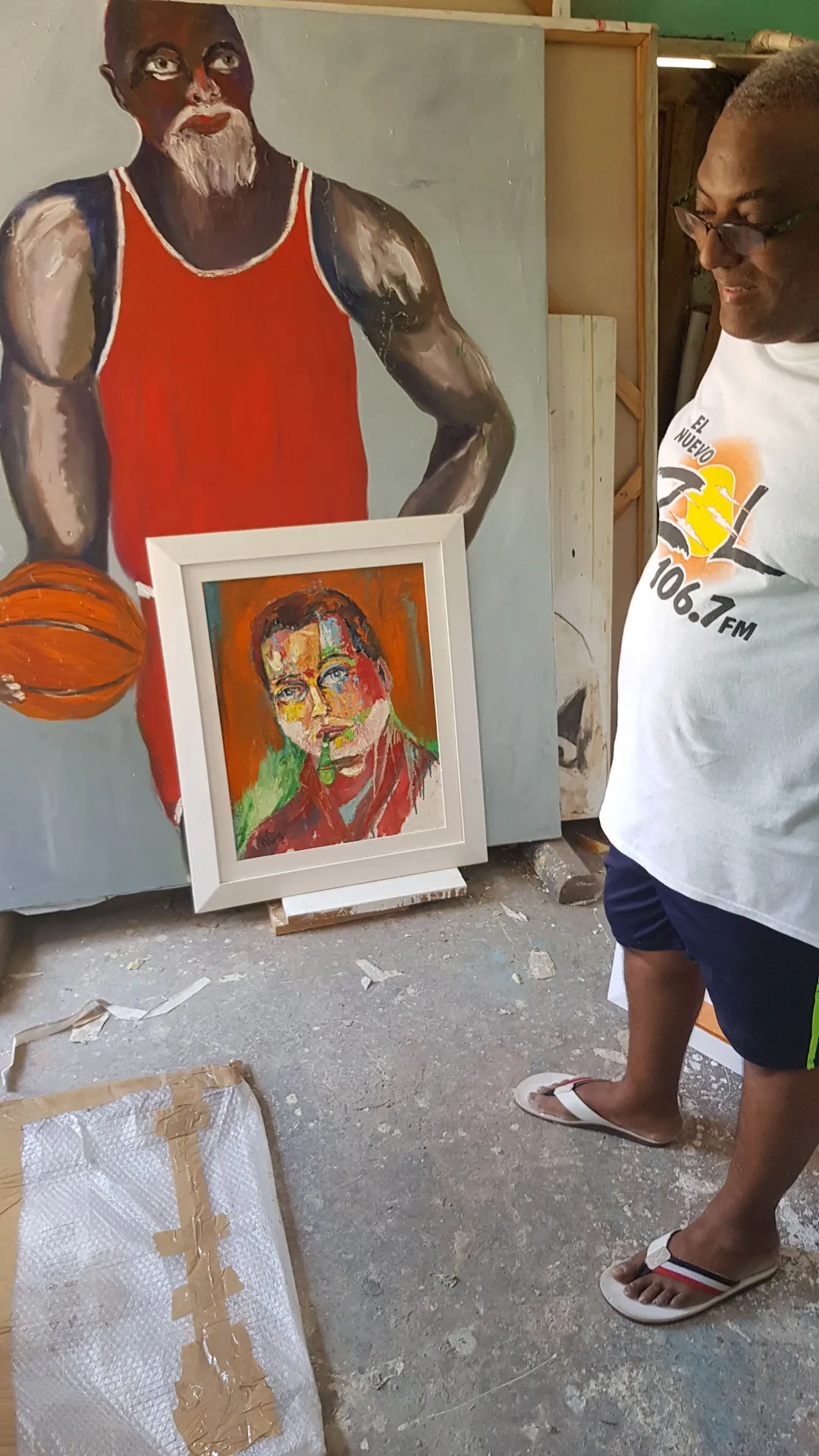
On view
The work beyond the studio
The full arc: from the studio wall with the masking tape still visible, to the white cube of the gallery, to the room full of visitors, to the microphone. The work ceases to be intimate and begins to speak with strangers — and, at times, the artist takes the floor too.
«Through lines, colours — both pure and warm —, smears, barely sketched forms and drips of acrylic, he allows the visitor to grasp his reading of social problems with a committed humour, great spiritual and ethical richness, and the rawness of the message»
Dossier ExcelenciasRevistas Excelencias — dossier Víctor Alexis Puig López(translated from Spanish)
«a tragedy that never becomes comedy — it presents human despair with neither relief nor ironic distance»
Héctor Antón CastilloLos extremos tocantes — elsrcorchea.com · 2020(translated from Spanish)
Full trajectory
Two decades of figurative expressionism
Each exhibition —solo, group, press feature— with its year, its venue, its image. In descending order.
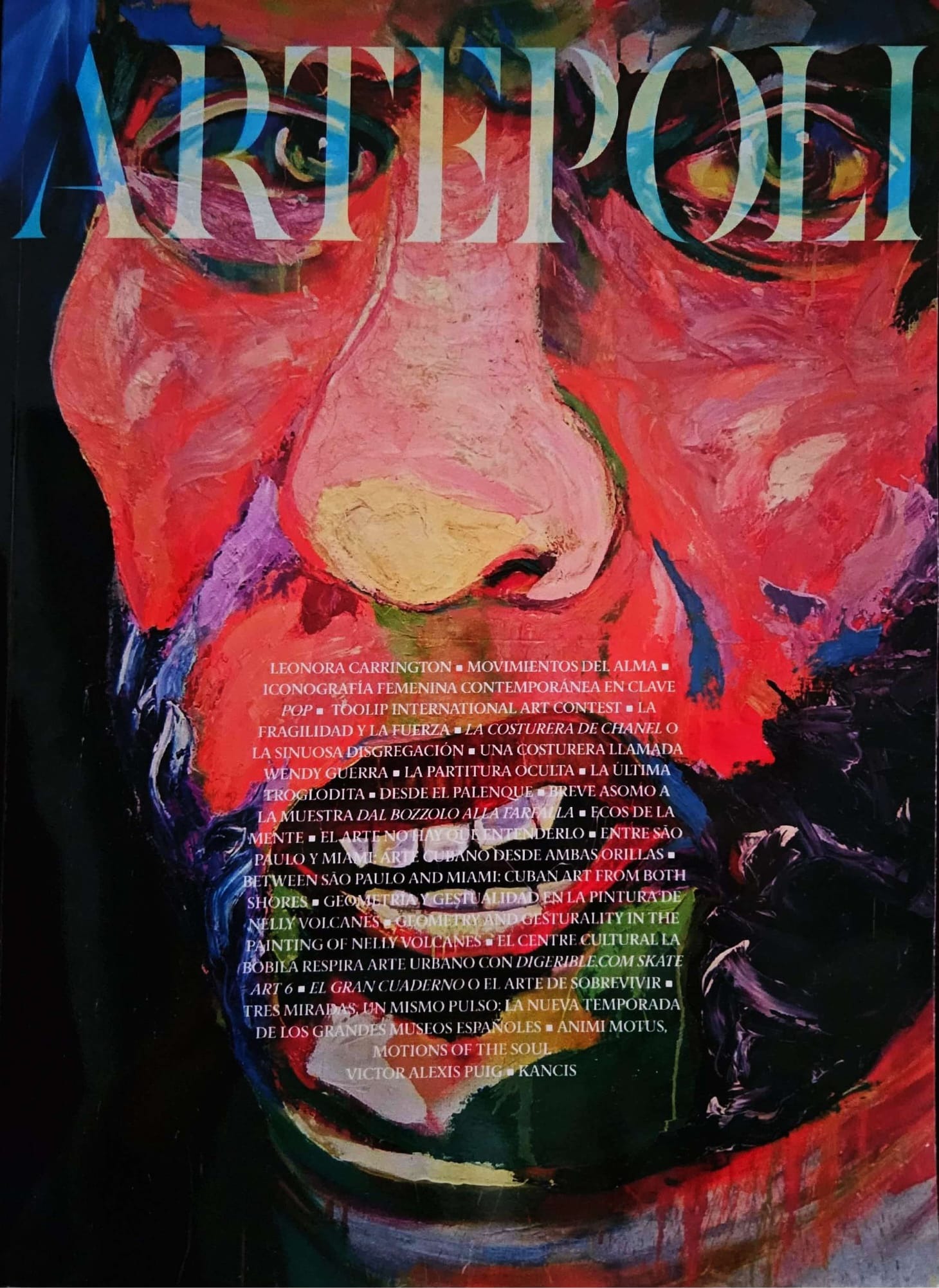
ARTEPOLI Magazine cover #XLVI
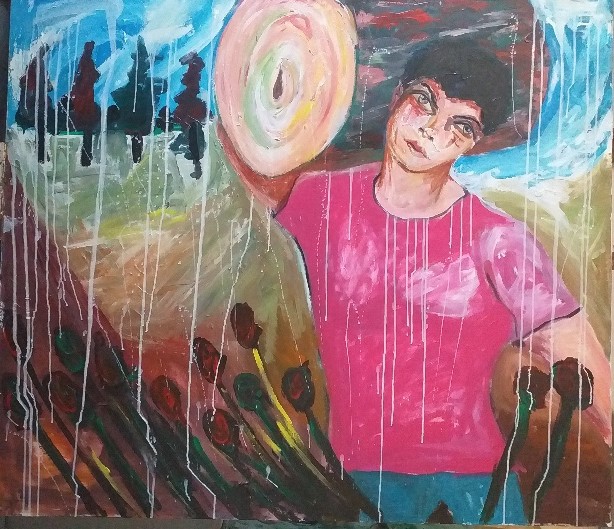
Proof of Life
Havana · La Habana · Cuba
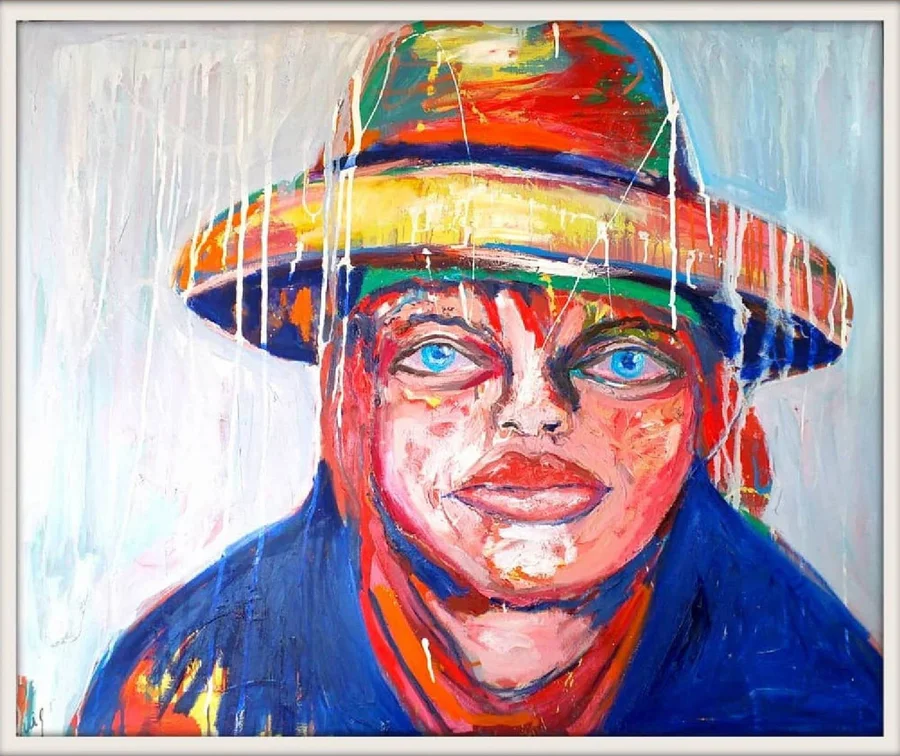
Blue Sky
Riss Kunst Gallerie · Viena · Austria
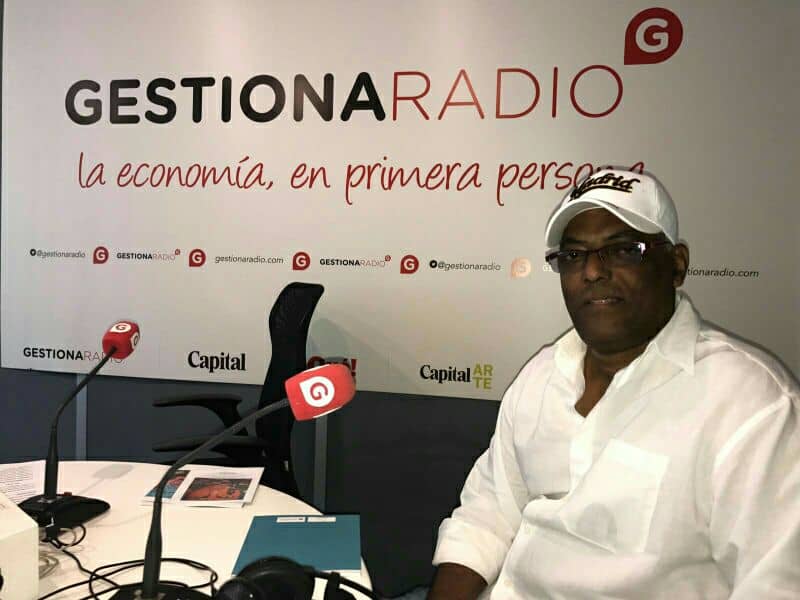
Europa Radio interview
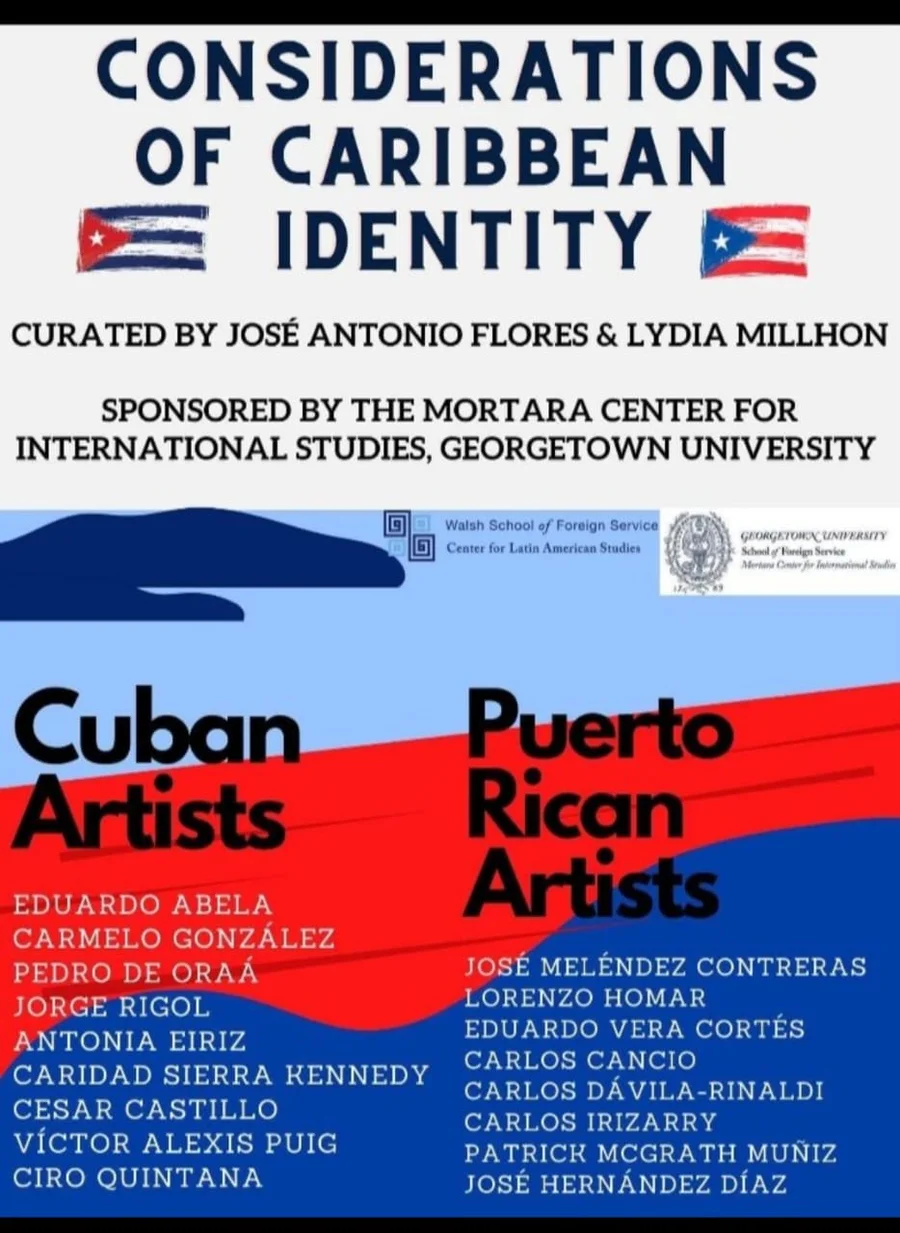
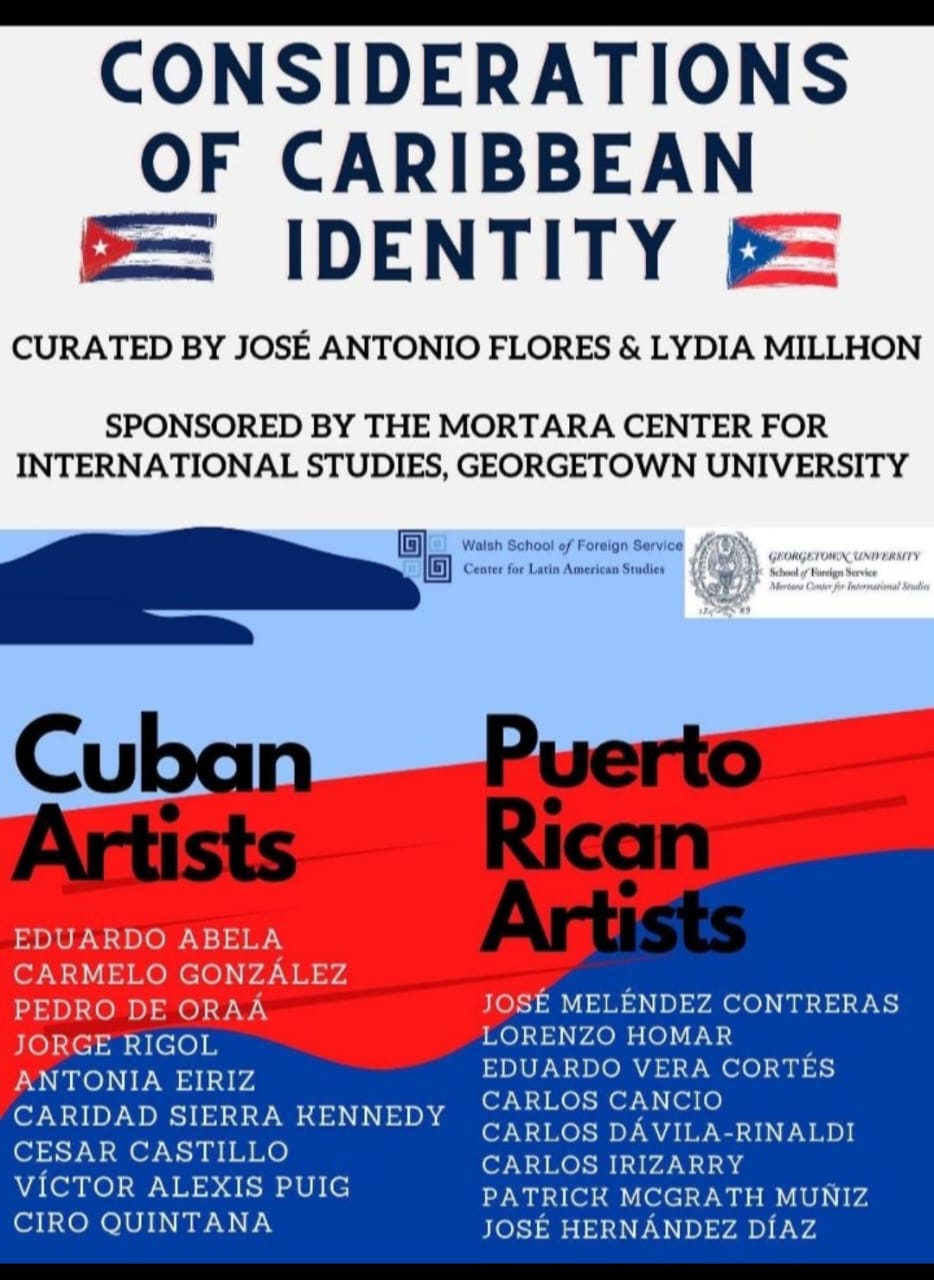
Caribbean Identity
Georgetown University · Georgetown · Estados Unidos
Prueba de Vida
Centro Provincial de Artes Plásticas · La Habana · Cuba
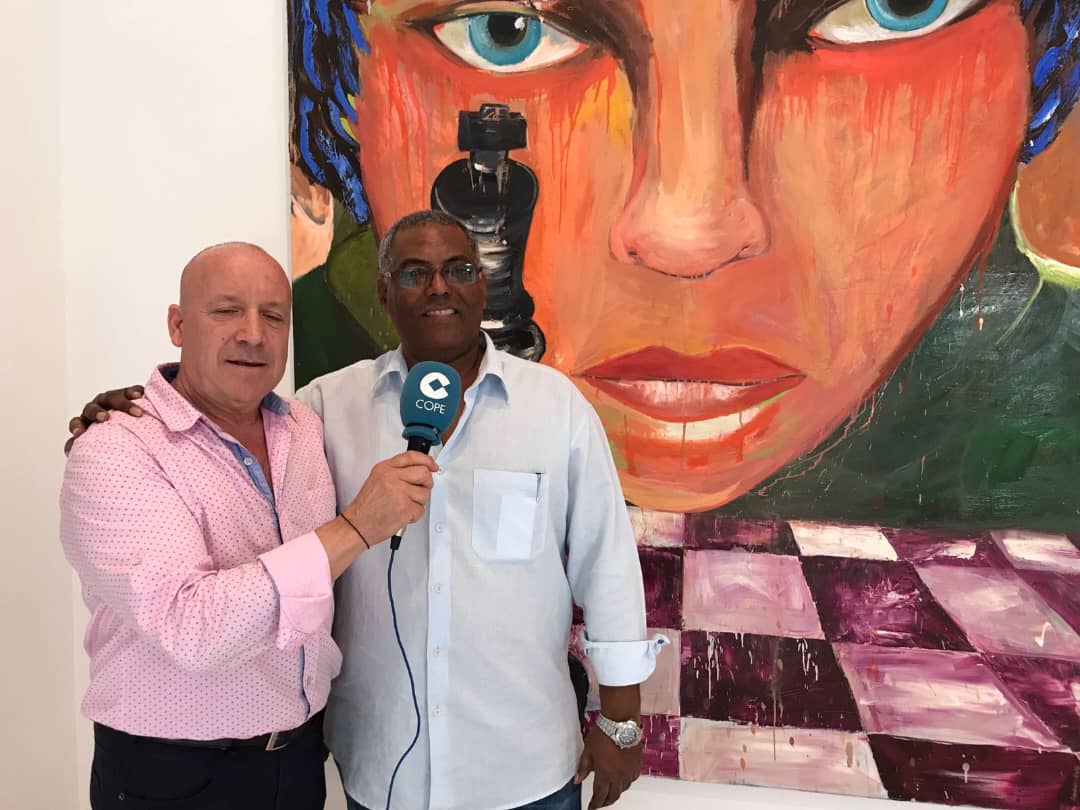
COPE Radio interview
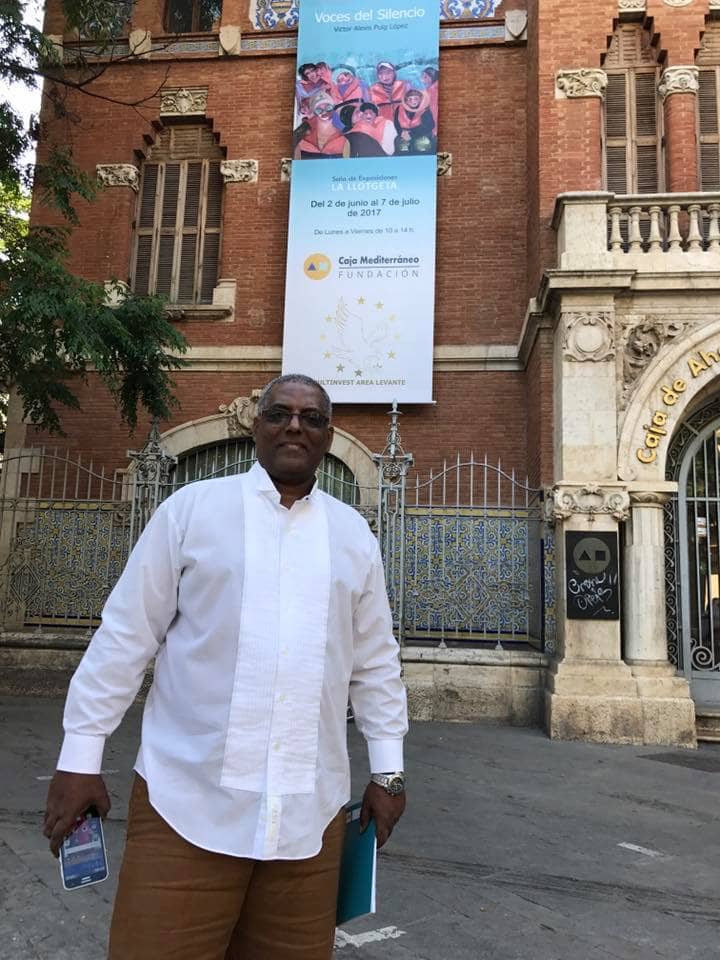
Voces del Silencio
Fundación CAM, Sala La Llotgeta · Valencia · España
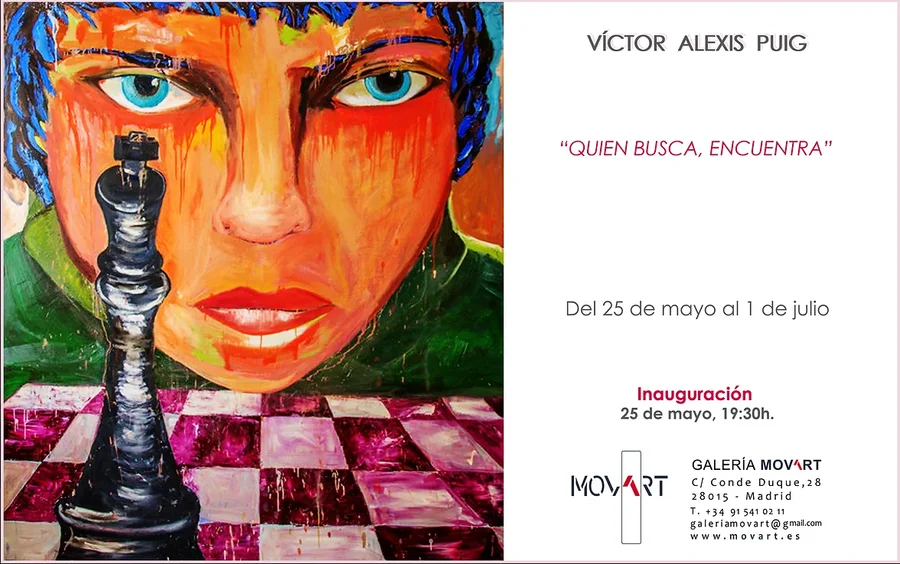
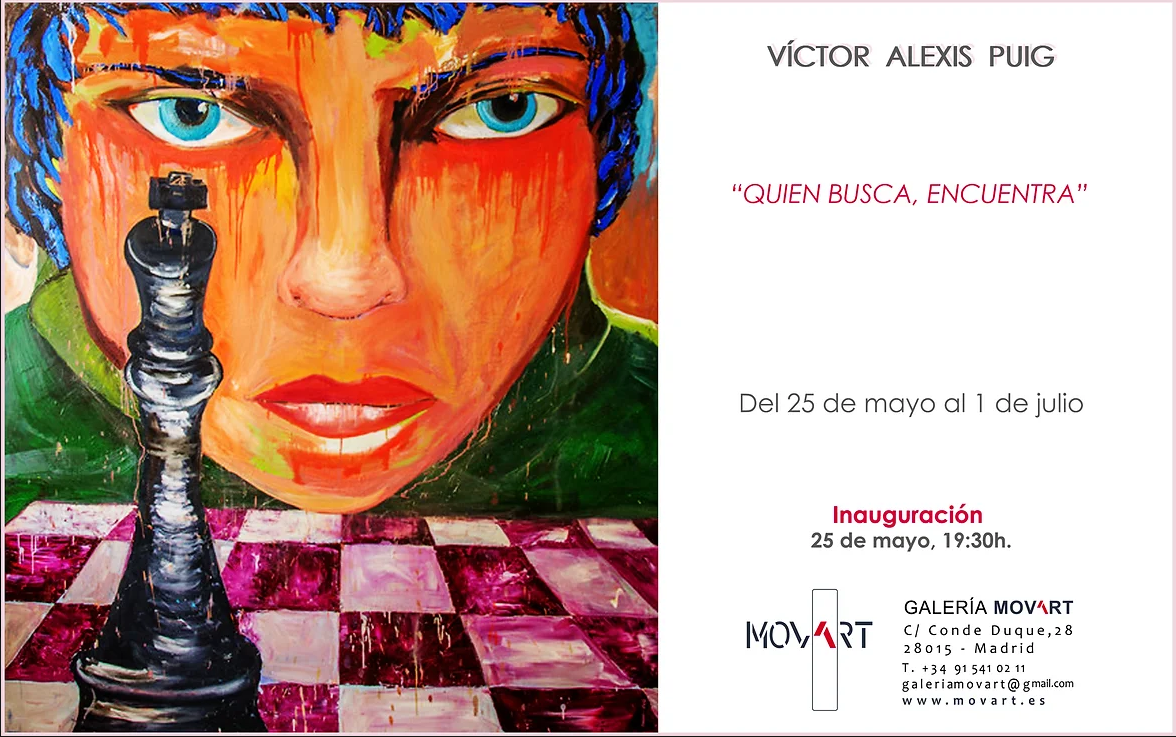
Quien busca, encuentra
Galería Movart · Madrid · España
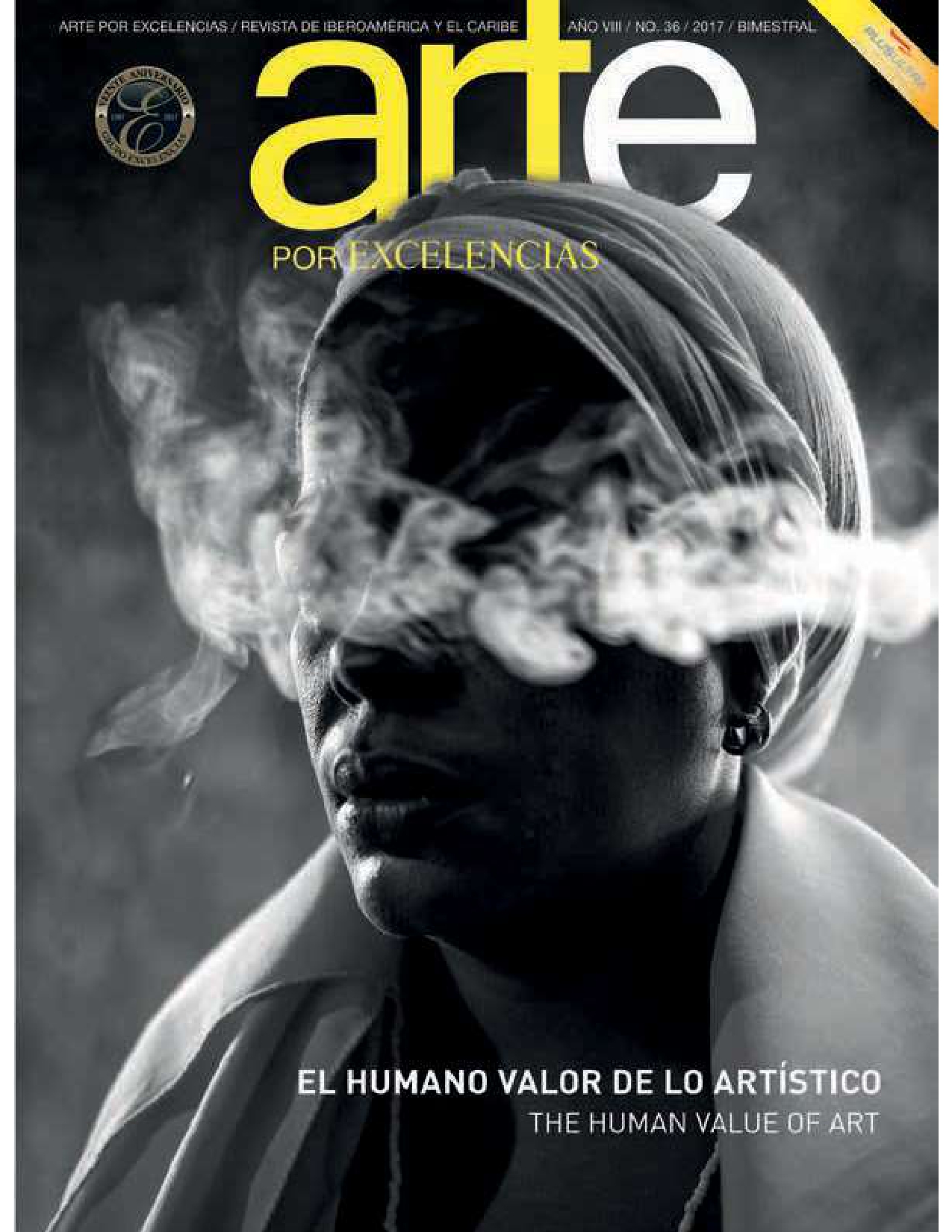
Excelencias Dossier
Soka Gakkai International Spirit of Cuban
Sydney · Australia
VII Gallery Map Black Box
Solaris Dutamas Complex · Kuala Lumpur · Malasia
Después del silencio
Galería Carmen Montilla · La Habana · Cuba
Cuban Art Revolution
Eva Reynolds Gallery · EE.UU. · Estados Unidos
A Plena Voz
ICAIC Cultural Center · La Habana · Cuba
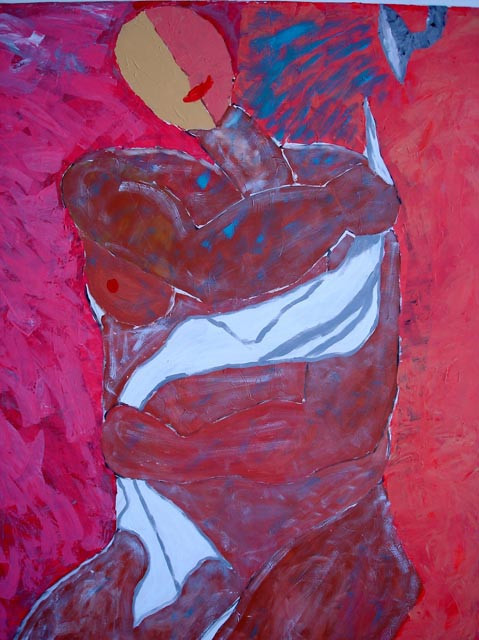
Desnudos
Eva Reynolds Gallery · EE.UU. · Estados Unidos
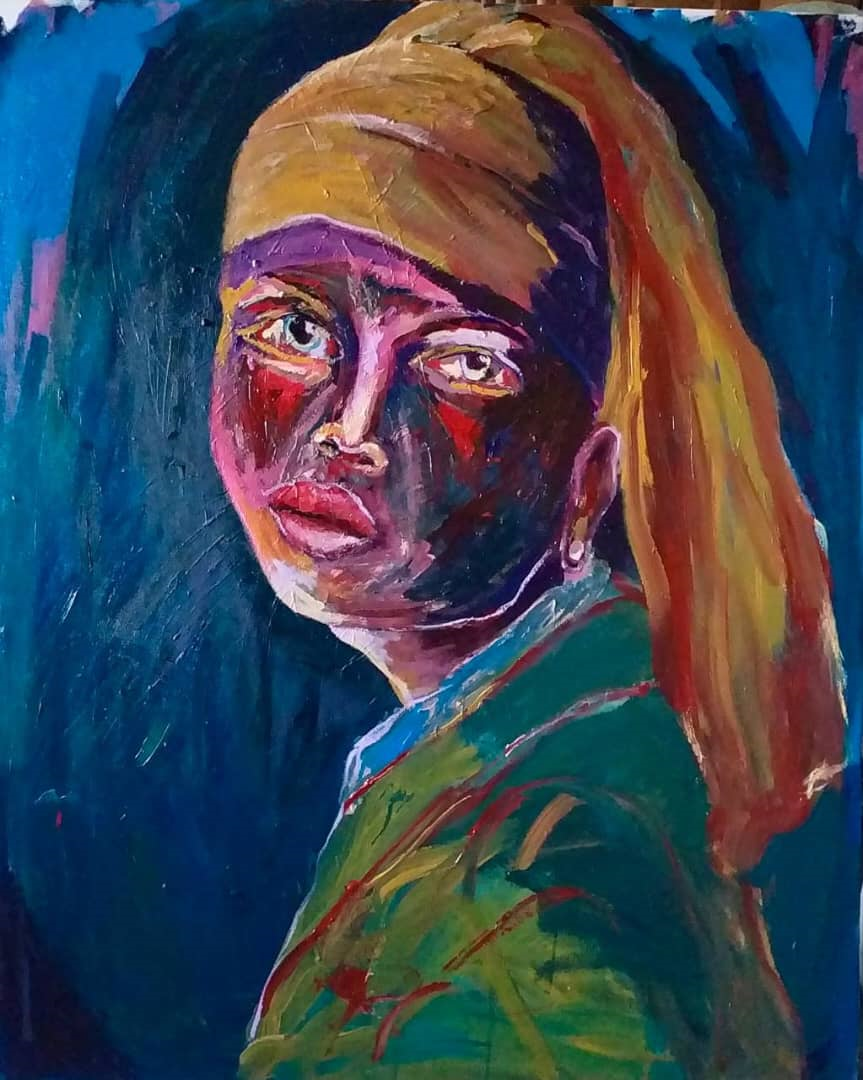
Ecos
Galería Fayad Jamís · La Habana · Cuba
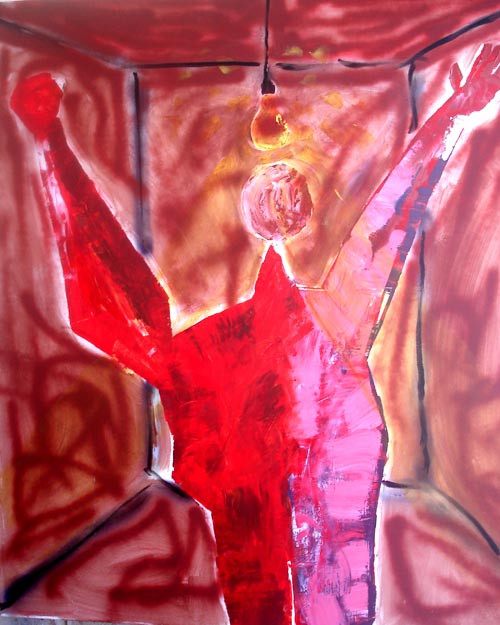
Mirror of Everyday Life
Superior Institute of Medical Sciences · La Habana · Cuba
Archive
Printed documentation
Official posters, magazine covers, press clippings and fair catalogues. The paper that accompanied the work on its journey.
Language sheet
The chromatic grammar
How the painting is made. Verified palette, primary technique, recurring subjects and the lineage declared by the artist himself, cross-checked against visual analysis.
- Dominant palette
- cadmium red / vermilion / chrome orange — HOT saturated reds-oranges
- cobalt / ultramarine / phthalo green — agitated complementaries within the same figure
- saturated ochres, not desaturated, as a warm base
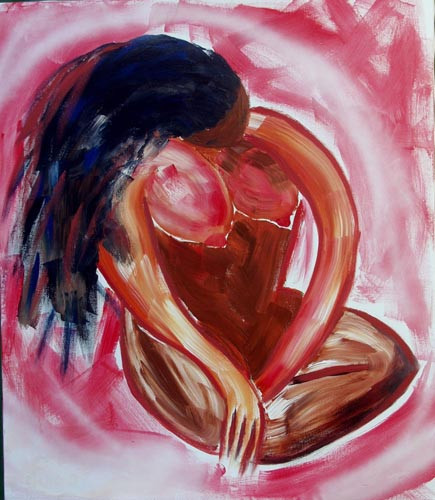
Saturation 85–100%, mid-to-high value range. visible, intentional acrylic drips; evident gesture. Skin tones non-naturalistic: ochre → pink → violet.
- Support and technique
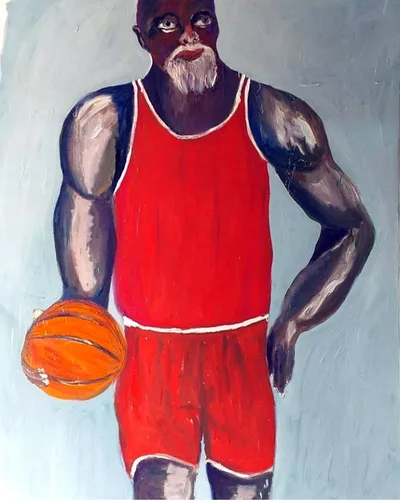
Primary: oil on canvas / oil on masonite
Secondary: acrylic as drip
Scale: from 55×45 cm to 200×160 cm
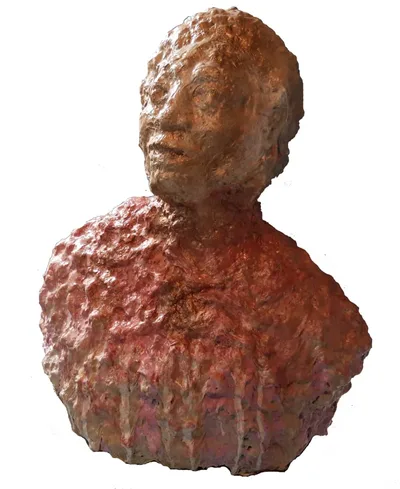
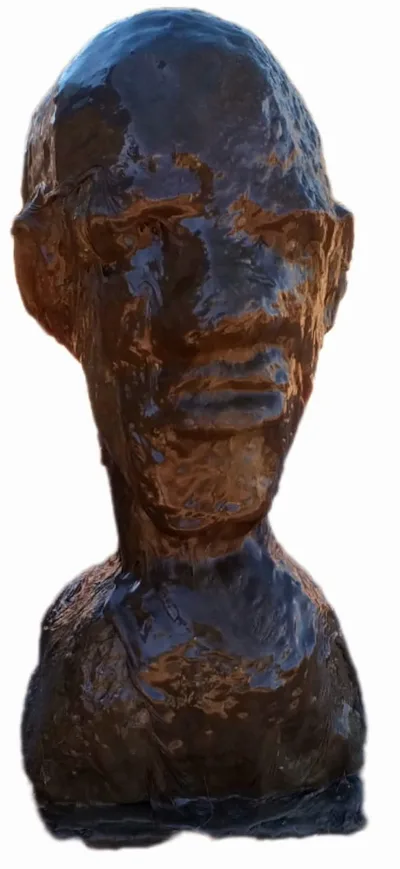
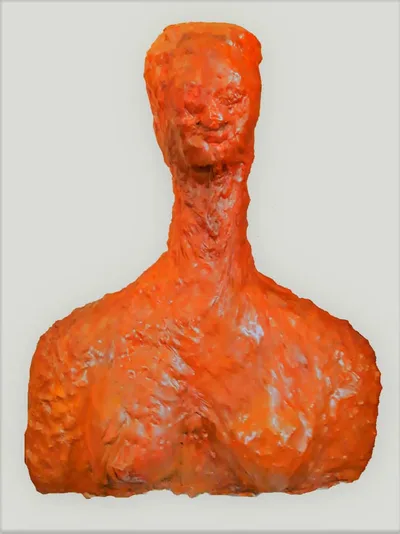
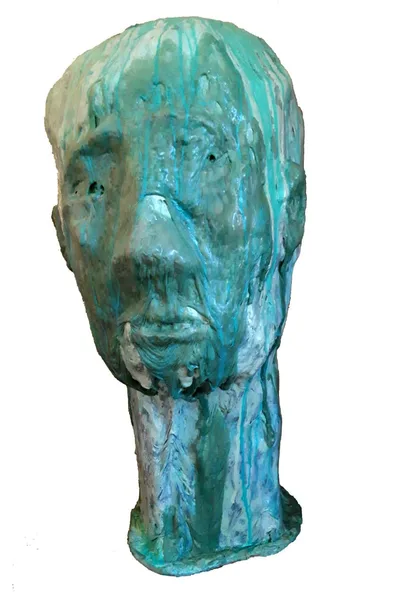
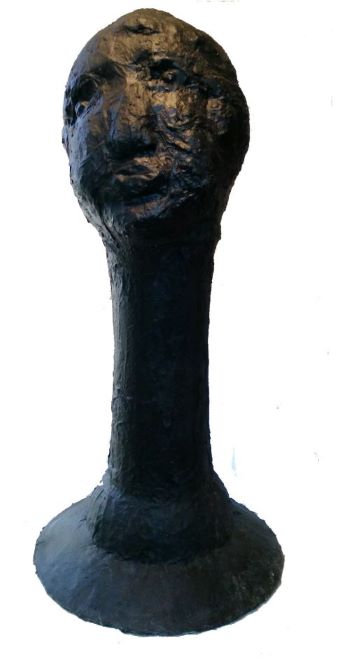
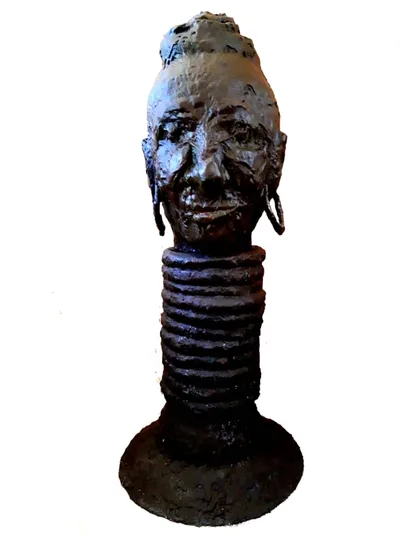
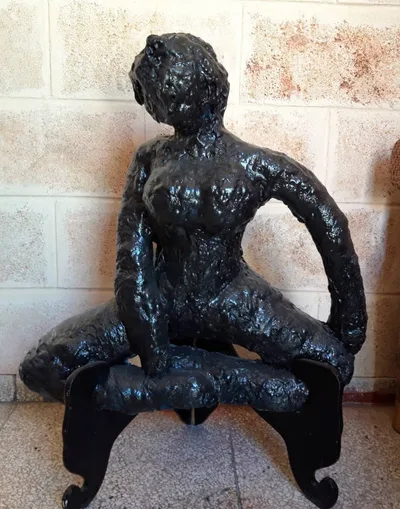
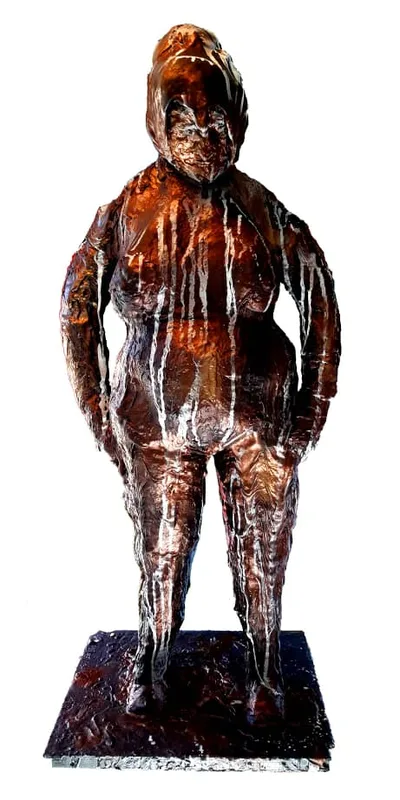
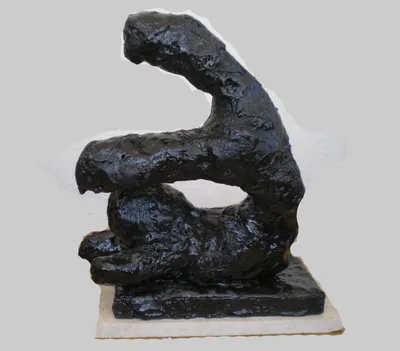
Sculpture: Polychrome turquoise-cobalt drips over modelled heads/busts, monumental scale. Extremely elongated neck as a recurring formal device (sentinel / contained scream). Rough "synthetic flesh" texture that absorbs light — it does not shine, it weighs. Reference inventory (6+ pieces inventoried (May 2026)):
- El Gladiador — monumental sculpture with its own resolving technique (canonical since 2026-05-04)
- Yo me quedo (120×50×40) — synthetic-material totem, infinitely elongated neck, "permanent ambassador" in the artist’s own words (correspondence 2026-05-06)
- Patria — synthetic material, a rough mass of "cooled lava / sick coral", head raised as a gesture of resistance
- Tiempo perdido — oxide / melted-wax texture, elongated neck, face blurred by water and time. The melancholic axis of the diaspora
- Mi abuelo fue, ya no tanto — smooth glossy finish (melting tar/wax). Erosion of generational identity
- Timidez — low vantage point, vulnerable courage, the dignity of one who has hit bottom
- Recurring subjects
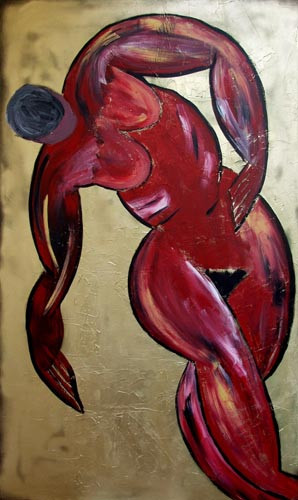
- the figure almost always (musicians: trumpeter / pianist / cellist / dancers)
- figures of power as caricature ("Rokefeler Boys")
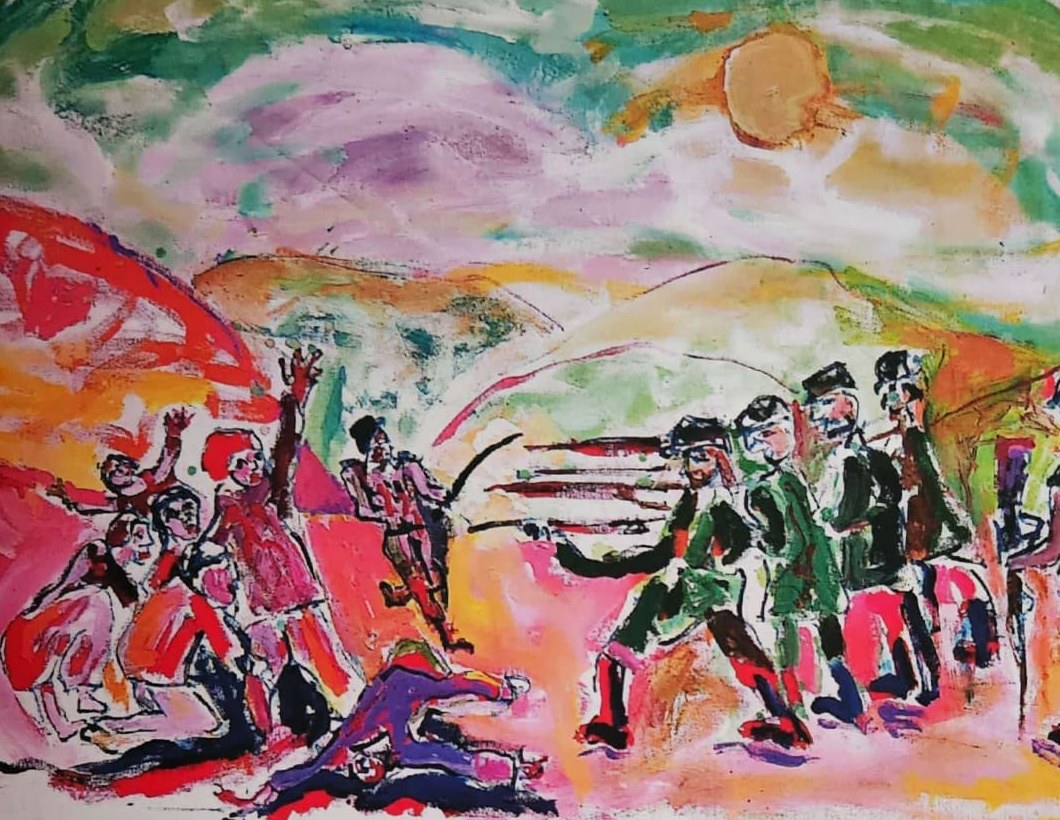
- political scenes ("Contra ataque")
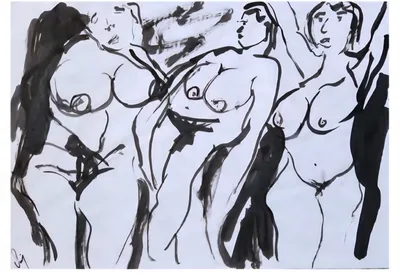
- fragmented bodies as a signature — dislocations, loose heads, broken assemblages (signature of the Cuban period, ≤2022)
- the whole figure and psychological landscapes as the evolution of the 2023–2026 corpus (Brazil/Spain diaspora period) — confirmed by a Claude Sonnet 4.5 visual audit of 25 works in the 2026 dossier
- Composition
- frontal, centred, claustrophobic
- figures pushed up against the picture plane
- flat colour backgrounds (colour fields, not atmosphere)
- Declared references
Cited by the artist himself (Europa Radio interview, verbatim):
- Goya — "the true father of expressionism", especially the period of the French invasion (El 2 de mayo)
- Picasso — "Picasso’s expressionist period", not analytic cubism
- Validated references
Western chromatic:
- CoBrA (Appel, Corneille) — chromatic agitation
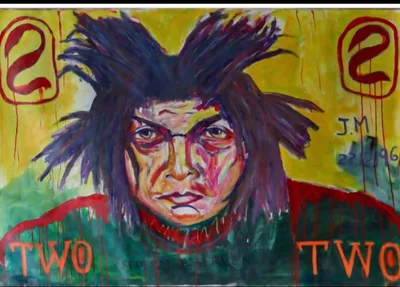
- figurative Basquiat — chunky colour fields. Explicit iconographic homage in "Billete de suerte" (95×150, 2023): the inscription "J.M. 22.12.1960" = Jean-Michel Basquiat’s date of birth.
- Rouault loud — black contour + saturated
- late Dubuffet
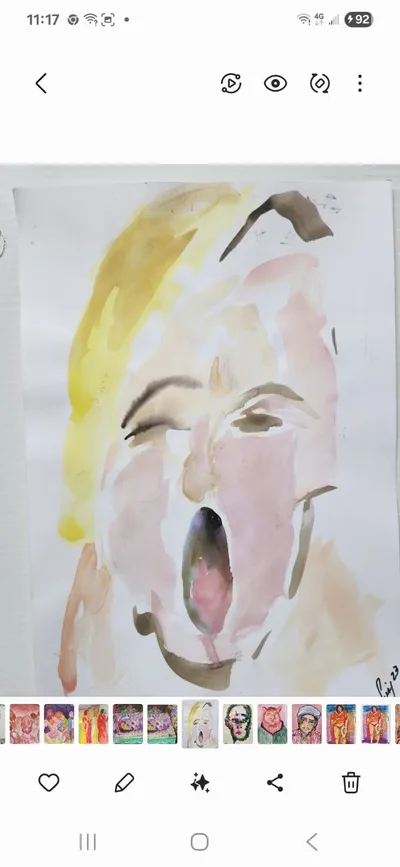
- Edvard Munch — "The Scream" as the formal anchor of the empty-mouth in "No me escuchas" (42×30, watercolour 2023). Reference declared by the artist in correspondence, May 2026.
Caribbean:
- Wifredo Lam in colour mode
- Manuel Mendive
- Fidelio Ponce de León (1895–1949) — particularly his "Damas" (anaemic, pale, melancholic female figures at domestic scale). Víctor’s watercolour-portraits are their "great-granddaughters" according to El ojo del sijú (2026 Dossier). It widens Víctor’s Cuban lineage beyond Lam-Mendive primitivism toward an intimate painting.
Absent iconography. Zero Cuban postcard: no flags, palm trees, Buicks, cigars, mojitos · Víctor’s cubanness is PSYCHOLOGICAL, not symbolic
«These Ladies by Agustín Rolando Rojas and by Víctor Alexis Puig suffer the same sorrow and hopelessness as those of Ponce, yet they are not the same women but their great-granddaughters.»
El ojo del sijúDossier 2026 — criterios de la crítica especializada · 2025(translated from Spanish)
The current · declared by the artist
Contemporary expressionist alienation
In May 2026 Víctor Alexis Puig formalises, by correspondence, the term with which he claims his aesthetic ground: a current that responds to the saturation of images and the dehumanisation of present-day society. It is not a retreat from reality: it is a visual cry.
- 01
Dehumanisation of the news
The modern world consumes tragedies as statistical figures. Puig’s faces return identity and body to those figures.
- 02
Colour as irony
The work is visually explosive and colourful, yet criticism already noted it, as Castro did: paradoxical chromaticism. Colour fails in concealing lives in black and white marked by precariousness.
- 03
Fragmented figuration
Bodies and faces fragmented as the plastic signature of the emotional collapse of a system in short-circuit.
- 04
Resistance to oblivion
The artist defines his work as a stubbornness to change the world. Alienation is not a psychological state but an imposed condition that annuls the individual’s future.
- 05
Maroon techniques
A direct inheritance of German expressionism filtered through a self-taught, experimental practice. Operating from the hills: rebellion and creative isolation as method.
“Ultimately, alienation in Puig is not a withdrawal from reality but a visual cry that uses expressionist deformation to make plain that the human being is becoming a species at risk of emotional extinction.” — V. A. Puig, correspondence with the operator, 4 May 2026. (translated from Spanish)
Puig dictionary
The vocabulary of alienation
Terms that recur in the artist’s curatorial correspondence. Each works as a key for reading the work: when they appear on labels and catalogue texts, they carry this sense.
- enajenación expresionista contemporánea
The current the artist claims as his own: fragmented figuration responding to media saturation and the dehumanization of the news. Not a withdrawal from reality but a "visual scream".
Artist's correspondence, 4 May 2026
- casa vieja
A recurring metonym for post-1959 Cuba seen from within: a family and national structure in ruins yet still inhabited. The origin one "decides to stay in" — or to leave.
Artist's correspondence, May 2026
- lucecita
The small light the artist tries to rescue in every work; the vivid colour that survives the institutional grey. The chromatic equivalent of hope.
Artist's correspondence, May 2026
- muertos pesados
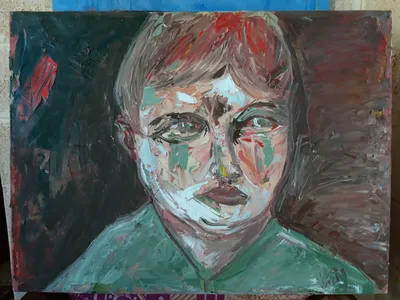
Figures that absorb the light and weigh on the space. Bodies that breathe but no longer move forward. The "there is no fixing it" aesthetic carried into the sculptures and the dense portraits.
Artist's correspondence, May 2026
- temporada de caza
The period of institutional hostility culminating in the censorship of his exhibitions and his departure from the country. The temporal frame of the 2023–2026 diaspora.
Artist's correspondence, May 2026
- silencio incómodo
Power’s strategy of not responding, not listening, not authorizing. What the artist fights with every work as a "proof of life".
Artist's correspondence, May 2026
- cortocircuito
The state of the social and emotional system when human contact breaks down. A noun the artist uses for both empty gazes and chromatically saturated environments that, instead of soothing, unsettle.
Artist's correspondence, May 2026
- técnicas cimarronas
The artist’s self-taught condition understood as an act of rebellion and creative isolation. Not "being non-academic" but "operating from the wilds", outside institutional control.
Artist's correspondence, May 2026
- prueba de vida
A double meaning: (a) the eponymous exhibition censored in Havana, April 2023; (b) each work understood as an act of existence against the silence. The artist has turned the title into a poetics.
2026 Dossier + correspondence
In his own words
The artist, live
Statements by Víctor himself gathered from interviews (Europa Radio, Marina Riss at Riss Kunst Gallerie, Jose Art Gallery, Dossier 2026, Personal Statement 2026). Unedited, with source.
«I simply started to paint. Some friends discovered that I painted. A show was arranged and every canvas sold at that first exhibition.»
«I paint what I feel like painting. Style does not pressure the way I work. I am very free.»
«I want people not only to come and look at the paintings. I want them to take an experience home, to say: this painting brings me to reflection.»
«A painting can mean one thing to me and another to other people. Art has that capacity to communicate a great many things to us.»
«Art is a bridge. It is more than colours on a canvas or an idea turned into image; it is an experience that connects stories, emotions and memories.»
«I am a visual artist who has chosen to undertake this journey eyes inward, like one who grants himself the capacity to magnify, to criticise, to suture, to neutralise the struggle between fantasy and the real; able to make eternal that aura caught in a single instant.»
«My work has something that is not taught in the academy: it is the use of art as survival against injustice, against the discomfort that tears at the skin of the comfortable.»
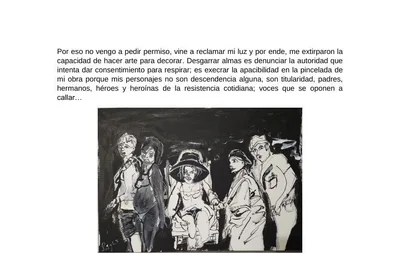
«To tear souls apart is to denounce the authority that presumes to grant permission to breathe. My figures are no one’s offspring; they are ownership itself — fathers, brothers, heroes and heroines of everyday resistance; voices that refuse to fall silent.»
«Expressionism is an emotive distortion, with emphasis on the transmission of psychology, spirituality, cultural text and social reasons.»
«A work of art should be more than an object for decoration; I think it should be like a good book: each time you read it, you reflect upon it.»
«Coming late to painting has not harmed me in the slightest; on the contrary, it has given me the certainty that this is what I want to do for the rest of my life: to paint against the stereotypes they try to impose on us.»
«Sometimes I am a stick and sometimes I am a thicket. My works accompany me; they are my thickets, where my living and my dead, my friends, my enemies, my dissatisfactions, my hopes and my disappointments all dwell.»
«To withdraw the exhibition Prueba de Vida (April 2023) at the Centro Provincial de Artes Plásticas y Diseño in Havana was not only the worst way to try to bury my dreams, but also to castrate the chance of a public that, besides savouring art, had come to take in justice. That is why, when I show you my art, I do not only offer you discomfort as a form of resistance — it is also the way to chisel your freedom!»
«Víctor Alexis Puig uses the term "contemporary expressionist alienation" to define an aesthetic that responds to the saturation of images and the dehumanisation of present-day society. For Puig, his art is a tool to fight indifference in the face of everyday tragedy and the "normalisation" of violence or deprivation.»
Who writes about Puig
The criticism
Verified voices who have written about the artist’s work, with text and outlet. Every quote on this site is attributed to its original source.
- Elvia Rosa Castro MartínLos extremos tocanteselsrcorchea.com · 2020
- Héctor Antón CastilloLos extremos tocantes (essay)elsrcorchea.com · 2020 · (translated from Spanish)
- Ortiz ValderramaIntroductory text (exhibition curator)catálogo expo · 2017 · (translated from Spanish)
- Jorge Rivas RodríguezEmotional Legacies of Alexis Puigcatálogo Voces del Silencio · 2017 · (translated from Spanish)
- Marina RissA Single Stick Does Not Make a Mount (interview + curation)tríptico expo Palo solo no hace monte, Riss Kunst Gallerie, Viena · 2022 · (translated from Spanish)
- Revista Arte por ExcelenciasVisual Arts DossierAXE No. 36 · 2017 · (translated from Spanish)
- Víctor ZarzaArt criticism (paradoxical chromatism)ABC Cultural, Madrid · 2017 · (translated from Spanish)
Solo exhibitions
- 2023Prueba de Vida (re-edición censurada en abril 2023)Galería Luz y Oficio (Centro Provincial de Artes Plásticas y Diseño), La Habana
- 2022A Single Stick Does Not Make a Mount / Palo solo no hace monteRiss Kunst Gallerie, Viena
- 2019Blue SkyRiss Kunst Gallerie, Viena
- 2018Prueba de Vida (primera edición)Centro Provincial de Artes Plásticas, La Habana
- 2017Quien busca, encuentraGalería Movart, Madrid
- 2017Voces del SilencioSala La Llotgeta, Fundación Caja Mediterráneo, Valencia
- 2010Después del silencioGalería Carmen Montilla, La Habana
- 2008FiguracionesCasa Guayasamín, La Habana
- 2008DesnudosGalería Eva Reynolds, EE.UU.
- 2008A Plena VozCentro Cultural ICAIC, La Habana
- 2007Figuraciones (primera)Galería Teodoro Ramos, La Habana
- 2007Espejo de la Vida CotidianaInstituto Superior de Ciencias Médicas, La Habana
Selected group shows
- 2018Caribbean IdentityGeorgetown University, Georgetown
- 2013El Fidel Que ConocemosCasa del Alba, La Habana
- 2012Soka Gakkai International Spirit of CubanSydney, Sydney
- 2011Art Expo Malaysia InternationalKuala Lumpur, Kuala Lumpur
- 2011VII Gallery Map Black BoxComplejo Solaris Dutamas, Kuala Lumpur
- 2011Altas PresionesGalería 23 y 12, La Habana
- 2010Art ShowZurich, Zurich
- 2009Cuban Art RevolutionEva Reynolds, EE.UU.
- 2007EcosGalería Fayad Jamís, La Habana
Víctor Alexis Puig López
Havana, 1966 · Self-taught · Figurative expressionism